In our rush-filled modern world, meals have become mere pit stops between activities. But what if slowing down at the table could transform your health, happiness, and relationship with food? 🍽️

The art of slow eating isn’t just about prolonging mealtimes—it’s a profound shift in how we experience nourishment. As our lives accelerate with demanding schedules, instant notifications, and endless to-do lists, the simple act of savoring each bite has become revolutionary. This comprehensive guide explores why slow eating matters now more than ever and how you can master this life-changing practice.
The Science Behind Slow Eating: Why Speed Matters
When you eat quickly, your body doesn’t have time to register fullness. The satiety signals from your stomach to your brain take approximately 20 minutes to transmit. This biological lag means fast eaters often consume significantly more calories before their brain receives the “I’m full” message.
Research published in the Journal of the American Dietetic Association reveals that people who eat slowly consume 10% fewer calories per meal compared to fast eaters. Over time, this difference can translate to substantial weight management benefits without restrictive dieting.
Beyond calorie control, slow eating activates your parasympathetic nervous system—the “rest and digest” mode. This physiological state optimizes digestion, nutrient absorption, and reduces gastrointestinal discomfort. Fast eating, conversely, keeps your body in sympathetic “fight or flight” mode, which diverts blood away from digestive organs and impairs proper food breakdown.
The Hormonal Symphony of Mindful Consumption
Your eating speed directly influences critical hormones that regulate hunger and satisfaction. Ghrelin, the hunger hormone, decreases gradually during meals. Leptin, the satiety hormone, increases slowly. Peptide YY, another fullness signal, needs time to rise to effective levels.
When you rush through meals, these hormonal responses don’t reach their optimal levels, leaving you feeling unsatisfied and prone to overeating later. Slow eating allows this complex biochemical orchestra to play its full symphony, leading to genuine satisfaction with appropriate portions.
Modern Obstacles: Why We’ve Forgotten How to Eat Slowly
Our ancestors didn’t need articles about slow eating—it was the default. Today’s world presents unique challenges that have transformed meals into rushed, mindless activities.
The average lunch break has shrunk to just 30 minutes in many workplaces, with some professionals eating at their desks while continuing to work. This multitasking approach fragments our attention and disconnects us from the eating experience entirely.
Digital distractions compound the problem. Scrolling through social media while eating diverts cognitive resources away from taste, texture, and internal hunger cues. Studies show that people who eat while using smartphones consume more food and remember less about their meals.
Cultural Shifts and Food Industrialization
The rise of fast food culture has normalized rapid consumption. Drive-throughs, meal replacement shakes, and “grab-and-go” options send a clear message: eating is an inconvenience to be minimized rather than an experience to be enjoyed.
Even home cooking has accelerated. Instant pots, microwave meals, and delivery apps prioritize speed over the ritualistic preparation that once naturally slowed our eating pace. When cooking takes five minutes, eating often follows suit.
The Remarkable Benefits of Embracing Slow Eating 🌟
The advantages of slow eating extend far beyond simple weight management, touching nearly every aspect of physical and mental wellbeing.
Enhanced Digestive Health
Thorough chewing is the first critical step in digestion. Your saliva contains enzymes that begin breaking down carbohydrates immediately. More chewing means more enzymatic action, reducing the burden on your stomach and intestines.
People who eat slowly report fewer instances of bloating, acid reflux, and indigestion. The mechanical breakdown of food into smaller particles also prevents large chunks from causing discomfort as they move through your digestive tract.
Natural Weight Regulation Without Dieting
Slow eating provides sustainable weight management without the deprivation of traditional diets. By eating until you’re satisfied rather than stuffed, you naturally align your intake with your body’s actual needs.
A study following 60,000 people over five years found that those who ate slowly were significantly less likely to become obese or develop metabolic syndrome compared to fast eaters, regardless of other dietary factors.
Heightened Sensory Pleasure
Food becomes exponentially more enjoyable when you actually taste it. Slow eating allows you to appreciate subtle flavors, complex textures, and aromatic nuances that vanish when you’re rushing.
This enhanced pleasure isn’t trivial—it’s fundamental to satisfaction. When you truly enjoy your food, you need less of it to feel content. Quality of experience replaces quantity of consumption.
Improved Blood Sugar Stability
Eating slowly leads to more gradual glucose absorption, preventing the dramatic blood sugar spikes associated with rapid consumption. This stability reduces insulin resistance risk and helps manage conditions like diabetes and PRSD.
Practical Strategies to Slow Down Your Eating Pace
Understanding the benefits is one thing; implementing change is another. These actionable techniques will help you transition from rushed to mindful eating.
The Utensil Pause Method
Place your fork or spoon down between every bite. This simple physical act creates natural pauses and breaks the automatic hand-to-mouth conveyor belt that characterizes fast eating.
Initially, this may feel awkward or overly deliberate. That discomfort signals just how habitual rapid eating has become. Within a week of consistent practice, the pause begins feeling natural.
The 20-30 Chew Benchmark
Most people chew each bite only 5-10 times before swallowing. Aim for 20-30 chews per mouthful, especially with denser foods like meat, raw vegetables, and grains.
This isn’t about rigid counting but rather developing awareness. Notice when you’re tempted to swallow before food is adequately broken down. Proper chewing should reduce food to a nearly liquid consistency.
Engage All Your Senses Deliberately 👃
Before eating, take a moment to appreciate your meal’s appearance and aroma. During eating, consciously identify flavors, textures, and temperatures. This sensory engagement naturally slows your pace while dramatically enhancing enjoyment.
Ask yourself: Is this bite crunchy or creamy? Sweet or savory? What spices can I detect? This internal dialogue transforms eating from autopilot to intentional experience.
Establish a Minimum Meal Duration
Set a timer for 20 minutes and challenge yourself to make your meal last at least that long. This external structure helps retrain your internal pacing mechanisms.
If you finish before the timer, resist the urge to immediately get up. Sit with your meal, perhaps enjoying a cup of tea or simply resting in the satisfaction of nourishment received.
Creating an Environment That Supports Slow Eating
Your eating environment profoundly influences your pace. Optimize your surroundings to naturally encourage slower consumption.
Eliminate Digital Distractions
Establish a no-screens rule during meals. No phones, tablets, computers, or television. This single change may be the most impactful adjustment you make.
If eating alone feels uncomfortable without distraction, try gentle background music or simply embrace the quiet. The discomfort often indicates how disconnected we’ve become from the simple act of eating.
Set the Table Intentionally
Even when eating alone, use real plates, proper utensils, and perhaps a placemat or napkin. This ritual signals to your brain that a meaningful activity is occurring, worthy of attention and time.
The act of setting a proper table slows the entire eating sequence, beginning before the first bite and extending through cleanup.
Eat With Others When Possible
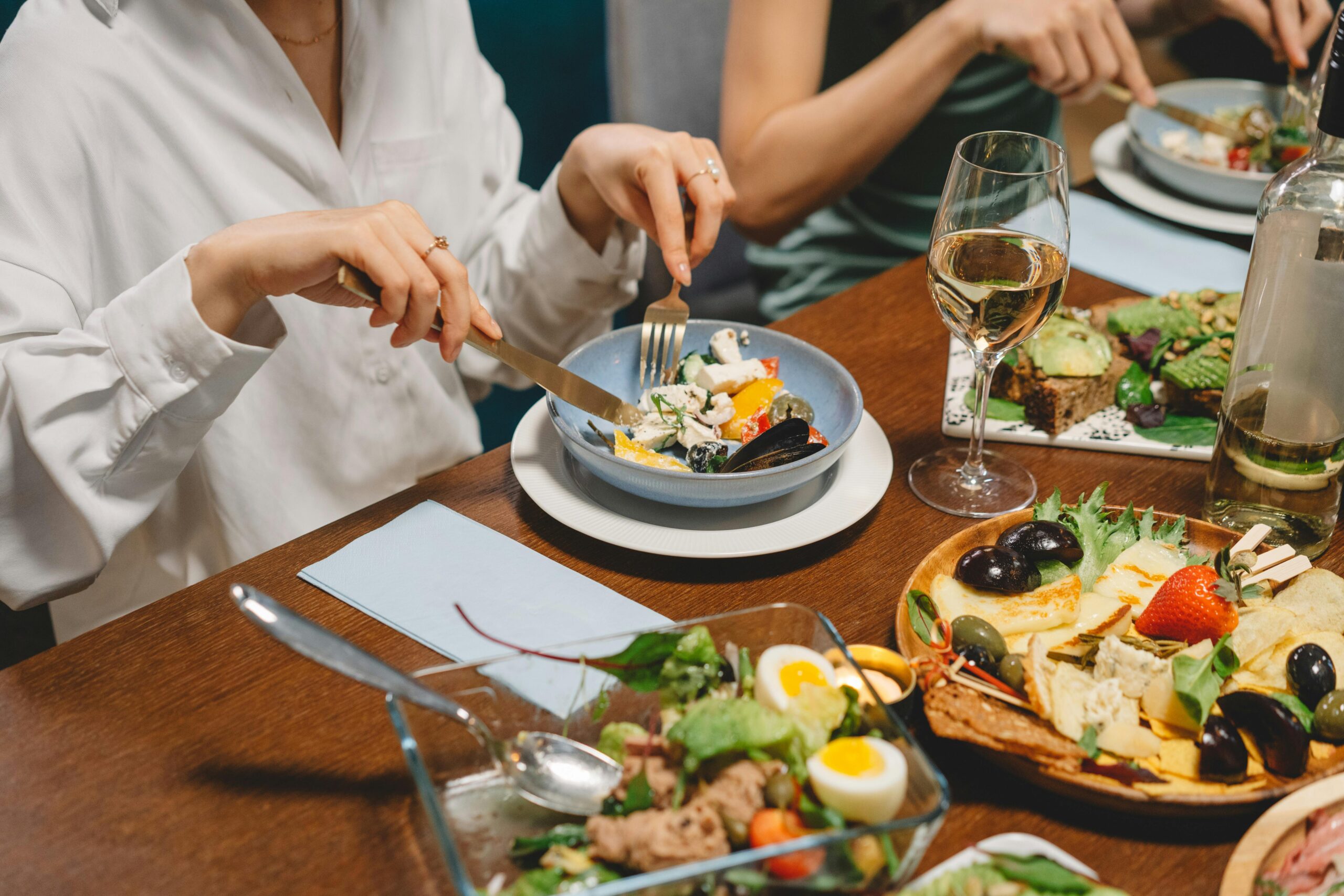
Shared meals naturally slow eating pace through conversation and social connection. The communal aspect transforms eating from fuel consumption to social ritual.
When dining with others, make conversation between bites rather than while chewing. This creates natural pauses and deepens both the social and nutritional aspects of the meal.
Overcoming Common Challenges and Resistance
The transition to slow eating isn’t always smooth. Anticipating obstacles helps you navigate them successfully.
“I Don’t Have Time”
This is the most common objection, yet it reveals a fundamental misunderstanding. Slow eating doesn’t necessarily require more time—it requires different prioritization of the time you already spend eating.
Even if you only have 15 minutes for lunch, eating mindfully during those 15 minutes is infinitely better than distracted, rushed consumption. You’re eating anyway—why not be present for it?
Social Pressure and Awkwardness
When dining with fast eaters, you may feel self-conscious about your slower pace. Remember that you’re not obligated to match others’ speeds.
Often, your modeling of slow eating will influence others positively. People frequently report that their slower pace gave companions “permission” to relax and enjoy their meals more fully.
Genuine Hunger and Food Scarcity Mentality
If you arrive at meals extremely hungry, slow eating feels nearly impossible. The solution is better meal timing and strategic snacking to prevent excessive hunger.
Some people unconsciously rush through meals due to childhood experiences of food scarcity or competition for food. Recognizing this pattern is the first step toward healing it through consistently abundant, unhurried eating experiences.
Technology as a Tool for Mindful Eating 📱
While digital distractions often hinder slow eating, certain apps can support your practice when used intentionally.
Apps like Eat Slowly use gentle vibration reminders to prompt you to slow down during meals. These periodic nudges help retrain automatic eating patterns without requiring constant self-monitoring.
Meditation and mindfulness apps often include eating-specific practices. These guided exercises help develop the awareness foundation that supports naturally slower eating.
However, use technology judiciously. The goal is to develop internal awareness that eventually functions independently of external prompts and devices.
Slow Eating Across Different Meal Contexts
Different eating situations require adapted approaches to maintain slow eating principles.
Business Lunches and Professional Settings
During working meals, conversation naturally creates pauses. Leverage this by fully swallowing and pausing between bites to speak or listen actively.
Order foods that require slower eating—salads with substantial vegetables, bone-in proteins, or dishes with complex textures. Avoid easily gulped soups or soft sandwiches that disappear quickly.
Family Meals With Young Children
Children are naturally slow eaters until we rush them. Instead of hurrying kids through meals, let their pace set the rhythm occasionally.
Family meals provide ideal opportunities to model and practice slow eating together. Make it a game: who can identify the most flavors in tonight’s dinner?
Solo Dining Without Loneliness
Eating alone doesn’t mean eating mindlessly. Solo meals can become meditative practices when approached intentionally.
Some people find that solo dining allows the deepest connection with their food, free from social distractions. Others benefit from structured activities like food journaling or gratitude practices during solitary meals.
The Ripple Effects: How Slow Eating Transforms Life Beyond Meals 🌊
Perhaps surprisingly, slow eating often catalyzes broader lifestyle changes. The mindfulness developed at the table tends to expand into other life areas.
Many people report that learning to eat slowly increased their overall capacity for presence and patience. The practice becomes a daily meditation, training attention and awareness that applies to work, relationships, and stress management.
Slow eating also frequently sparks interest in food quality and sourcing. When you actually taste your food, you naturally gravitate toward higher-quality ingredients. This can lead to cooking more, supporting local farmers, and deepening your understanding of nutrition.
Financial Benefits You Didn’t Expect
Eating slowly typically reduces overall food consumption, directly decreasing grocery bills. When satisfaction comes from quality of experience rather than quantity consumed, you naturally need less.
Additionally, slow eaters often reduce restaurant spending as home-cooked meals become more appealing. The enhanced appreciation for food makes preparing and savoring home meals more rewarding than rushed restaurant experiences.
Building Your Personal Slow Eating Practice
Sustainable change happens through gradual integration rather than radical overnight transformation. Start with one meal per day—perhaps dinner, when you’re most likely to have time and control over your environment.
For that single meal, commit to at least three slow eating techniques: putting utensils down between bites, chewing thoroughly, and eliminating screens. Practice consistently for two weeks before adding additional meals or techniques.
Track your experience without judgment. Notice when slow eating feels natural and when resistance emerges. This awareness itself deepens your practice and reveals patterns worth exploring.
Measuring Progress Beyond the Scale
While weight changes may occur, they shouldn’t be your primary measure of success. More meaningful indicators include:
- Increased meal satisfaction with smaller portions
- Reduced digestive discomfort after eating
- Greater awareness of true hunger versus emotional eating triggers
- Enhanced ability to identify subtle flavors and food quality differences
- Decreased urge to snack shortly after meals
- Improved mood and energy stability throughout the day
These qualitative improvements often manifest before any quantitative changes and indicate genuine transformation in your relationship with food.
The Cultural Renaissance of Slow Food Movements
Your individual practice connects you to a global community reclaiming mealtime from industrial efficiency culture. The Slow Food movement, founded in Italy in 1986, now spans 160 countries, advocating for traditional food cultures, sustainable agriculture, and pleasurable eating experiences.
This broader context reminds us that fast eating isn’t human nature—it’s a recent cultural aberration. For most of human history, meals were communal, leisurely, and central to social life. We’re not inventing something new; we’re remembering something ancient and essential.
Your Invitation to a Different Way of Being 💝
Slow eating is ultimately about much more than digestion or weight management. It’s a radical act of self-care in a culture that constantly demands we speed up, produce more, and optimize every moment.
When you slow down to savor each bite, you’re declaring that you matter, that nourishment deserves attention, that life is meant to be experienced rather than rushed through. This simple daily practice can become an anchor of sanity and presence in an increasingly frenetic world.
The beautiful truth is that you don’t need special equipment, expensive programs, or perfect conditions. You simply need to decide that your next meal deserves your full attention. Start there, with just one meal, one bite at a time.
The fork is in your hand. The food is before you. This moment—this ordinary, extraordinary moment—is waiting for you to truly arrive. Everything else can wait twenty minutes. Your body, mind, and spirit will thank you for the gift of unhurried nourishment.
In a world that never stops moving, choosing to slow down at the table isn’t just about better digestion—it’s a profound act of rebellion and self-love. Every mindful bite is a small revolution, reclaiming your humanity one meal at a time. 🍃