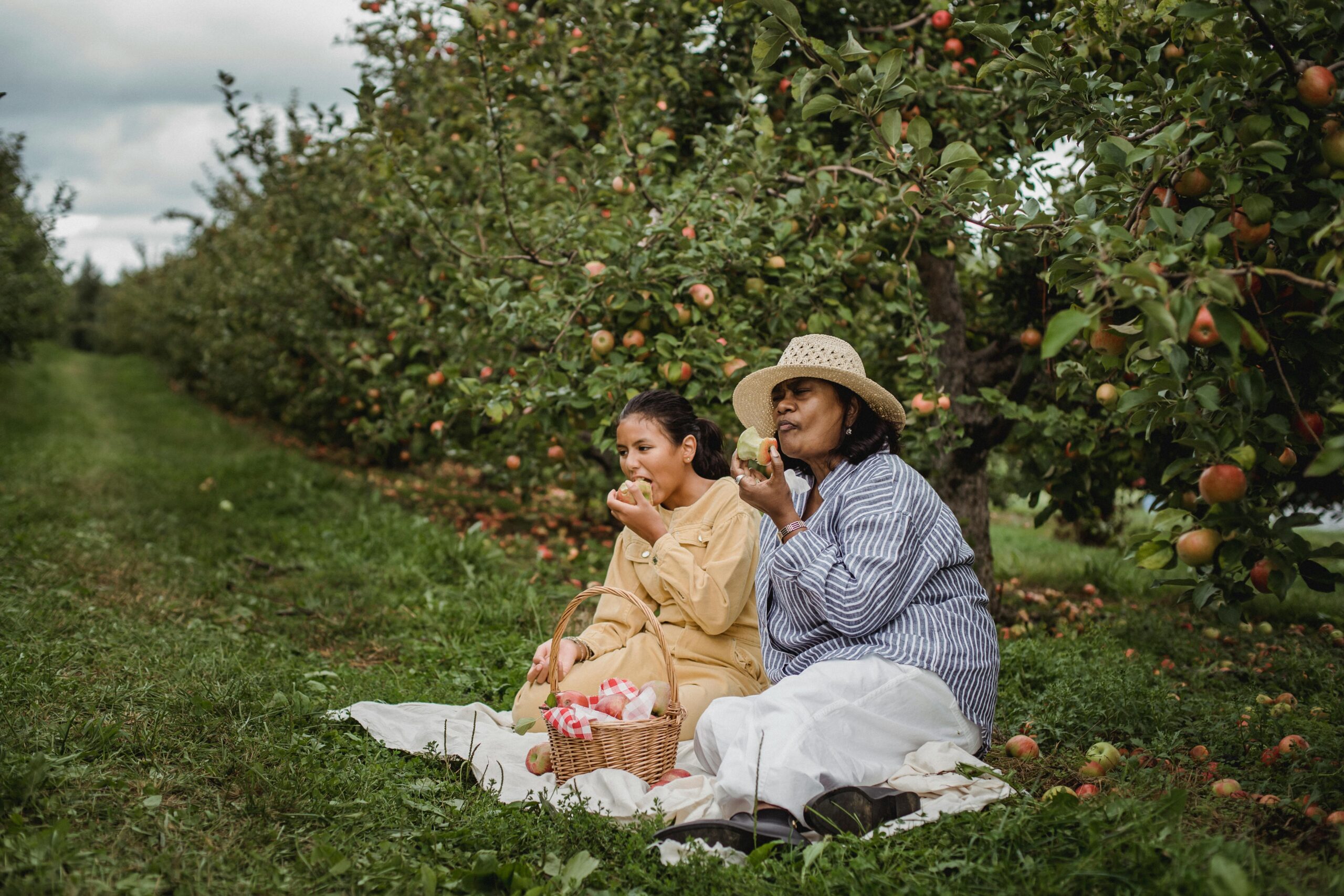
Food is more than fuel—it’s a gateway to culture, memory, and human connection that transforms ordinary meals into profound experiences of presence and community.

The Ancient Wisdom Behind Mindful Eating 🍜
Long before mindfulness became a wellness buzzword, cultures around the world practiced intentional eating as a sacred ritual. From Japanese tea ceremonies to Indian Ayurvedic traditions, the act of consuming food has historically been treated as meditation in motion. These ancestral practices recognized something modern science is only beginning to validate: that how we eat matters just as much as what we eat.
In Buddhist monasteries across Asia, monks practice “oryoki”—a ritualized meal service where every movement, from unwrapping bowls to cleaning utensils, becomes an act of present-moment awareness. This isn’t about dietary restriction or nutritional optimization. Instead, it’s about cultivating gratitude, recognizing interdependence, and experiencing the profound simplicity of nourishment.
Mediterranean cultures have long embodied mindful eating through their leisurely meal traditions. The Italian “passeggiata” followed by multi-course dinners, the Spanish “sobremesa” (lingering conversation after meals), and the Greek emphasis on communal feasting all reflect an understanding that meals are social glue—opportunities to strengthen bonds and share stories.
Cultural Rituals That Transform Eating Into Connection
Across continents, diverse cultures have developed unique practices that elevate eating from biological necessity to spiritual nourishment. The Ethiopian tradition of “gursha”—feeding others by hand as a gesture of love and respect—creates intimate bonds that transcend words. This practice, typically shared among close friends and family, embodies trust and care in its most tangible form.
In Korean culture, the concept of “jeong” permeates dining experiences. This untranslatable term encompasses deep emotional connection, and nowhere is it more evident than in communal cooking and eating. When families gather around a bubbling pot of jjigae (stew) or prepare kimchi together during “kimjang” season, they’re not just making food—they’re weaving social fabric.
Native American traditions offer another profound perspective through ceremonies like the Potlatch of Pacific Northwest tribes, where elaborate feasts demonstrate generosity and redistribute wealth within communities. The act of giving food becomes a statement of values, identity, and social responsibility.
The Sensory Awakening 👃
Mindful eating begins with sensory engagement. Before the first bite touches your tongue, a world of experience awaits. The vibrant colors of fresh produce at a Moroccan souk, the aromatic complexity of Indian spices toasting in ghee, the satisfying crunch of perfectly baked French bread—these sensations anchor us firmly in the present moment.
Japanese culinary philosophy emphasizes “shun”—eating foods at their seasonal peak when flavor, nutrition, and aesthetic beauty align. This practice demands awareness of natural cycles and teaches patience. You cannot rush spring’s first bamboo shoots or autumn’s matsutake mushrooms. This seasonal consciousness connects eaters to the earth’s rhythms and the work of those who cultivate food.
The Slow Food movement, originating in Italy during the 1980s, champions this sensory approach on a global scale. By encouraging people to slow down and truly taste their food, the movement combats the homogenization of global cuisine and preserves culinary biodiversity. Each bite becomes an act of cultural preservation and environmental awareness.
Breaking Bread: Community as the Missing Ingredient 🥖
The English phrase “breaking bread” carries profound meaning across cultures. When we share meals, we lower defenses, create common ground, and acknowledge our shared humanity. Research consistently shows that regular family dinners correlate with better mental health, academic performance, and reduced risky behaviors in children—yet the practice is declining in many modern societies.
In many African cultures, eating alone is considered unusual or even problematic. The communal bowl from which everyone eats symbolizes equality and unity. This practice appears in various forms worldwide—from Middle Eastern mezze spreads designed for sharing to Filipino “kamayan” meals where food is eaten with hands from banana leaves, eliminating hierarchies imposed by individual place settings.
The Swedish tradition of “fika”—a coffee break that’s elevated to a cultural institution—demonstrates how regular, intentional pauses for refreshment and conversation build workplace cohesion and community wellbeing. It’s not rushed; it’s not optional. It’s a recognized need for human connection facilitated through food and drink.
Digital Age, Analog Presence
Modern technology presents both challenges and opportunities for mindful eating. The habit of scrolling through phones during meals fragments attention and diminishes both taste perception and social connection. Studies show that people eating while distracted consume more calories yet report less satisfaction—a lose-lose scenario.
However, technology can also reconnect us with food traditions. Apps that teach traditional cooking methods, platforms connecting small-scale farmers with consumers, and virtual cooking classes that bridge geographical distances all have potential to deepen our food relationships. The key lies in using technology intentionally rather than allowing it to dominate mealtime.
Some families have adopted “phone stacking” at restaurants—everyone places their phone in the center of the table, and the first person to reach for theirs pays the bill. This gamification of presence acknowledges our device dependence while creating accountability for being fully present during meals.
The Sacred Pause: Gratitude Practices Across Traditions 🙏
Nearly every culture has developed practices to mark the transition from daily life into the act of eating. Christian grace, Islamic “Bismillah,” Jewish blessings over bread and wine, and Hindu food offerings to deities all serve similar purposes: they create a mindful pause, acknowledge food’s origins, and express gratitude.
The Japanese phrase “itadakimasu” (I humbly receive) and its post-meal counterpart “gochisousama deshita” (thank you for the feast) bookend meals with appreciation—for the plants and animals that became food, for those who cultivated and prepared it, and for the opportunity to eat when many cannot.
These practices need not be religious. Secular gratitude practices—taking three breaths before eating, silently acknowledging everyone involved in bringing food to the table, or simply pausing to notice hunger—can provide the same mindful transition into the eating experience.
Mindful Preparation as Meditation
The act of cooking itself offers profound opportunities for mindfulness. When you knead bread dough, your hands connect with generations of bakers stretching back millennia. When you stir risotto with patient, repetitive motion, you practice presence. When you carefully arrange ingredients on a plate, you engage aesthetic sensibilities and honor the food’s journey to your table.
In Zen temples, kitchen work is considered spiritual practice equal to seated meditation. The “tenzo” (head cook) holds a position of great respect, and the Zen Master Dogen wrote extensively about cooking as a path to enlightenment. This perspective transforms mundane tasks—washing vegetables, measuring rice, tending fires—into opportunities for awakening.
French culinary tradition with its emphasis on “mise en place” (everything in its place) teaches organization, foresight, and respect for ingredients. This methodical preparation creates both efficiency and mindfulness, allowing cooks to be fully present during the actual cooking process rather than frantically searching for ingredients.
Healing Through Conscious Consumption 🌿
Ayurveda, India’s ancient medical system, views food as medicine and emphasizes eating according to your constitution, the season, and your digestive capacity. Meals are consumed in a peaceful environment, sitting down, without distractions. Ayurvedic wisdom teaches that disturbed or anxious eating impairs digestion regardless of food quality—a principle modern gastroenterology increasingly validates.
Traditional Chinese Medicine similarly emphasizes eating warm, cooked foods to support digestive “fire,” avoiding cold drinks with meals, and balancing flavors to nourish different organ systems. These systems recognize that nutrition cannot be reduced to macronutrients and micronutrients alone—context, preparation, and consciousness matter.
The Mediterranean diet’s health benefits likely stem not just from olive oil and vegetables but from the cultural context in which foods are consumed: leisurely, socially, seasonally, and joyfully. You cannot separate the food from the experience of eating it, nor should you try.
Addressing Disordered Relationships With Food
For many people, eating has become fraught with anxiety, guilt, and disconnection. Diet culture’s moral categorization of foods as “good” or “bad” creates psychological distress that actually worsens health outcomes. Mindful eating offers an alternative paradigm based on internal cues, pleasure, and satisfaction rather than external rules.
Intuitive eating—learning to recognize and honor hunger, fullness, and satisfaction—draws on mindfulness principles to heal disordered eating patterns. This approach, supported by growing research evidence, encourages people to trust their bodies’ wisdom rather than following restrictive diets that often backfire.
Food justice perspectives remind us that mindful eating is a privilege not everyone can access. Discussing food consciousness without acknowledging food insecurity, food deserts, and economic barriers risks creating another avenue for judgment rather than connection. True food mindfulness includes awareness of systemic inequities and advocacy for universal access to nourishing food.
Practical Pathways to More Mindful Meals 🥘
Transforming your relationship with food doesn’t require perfection or dramatic changes. Small, consistent practices accumulate into significant shifts. Consider starting with just one mindful meal per week—perhaps Sunday breakfast or Friday dinner—where you commit to being fully present.
Create an environment conducive to awareness: clear the table of distractions, light a candle, use dishes that please you aesthetically. The Japanese concept of “ichigo ichie” (one time, one meeting) reminds us that this particular meal, with these particular people, will never happen again. This awareness naturally cultivates presence.
Engage all your senses deliberately. Before eating, spend a moment noticing colors, textures, and arrangement. Smell deeply. Take the first bite without distraction, chewing slowly and noticing how flavors evolve. Pause between bites. This isn’t about eating slowly out of obligation but about actually experiencing what you’re eating.
Building Community Around Food
Consider starting or joining a supper club, potluck group, or cooking collective. These gatherings revive ancient traditions of communal eating while adapting them to contemporary life. When people cook and eat together regularly, they create chosen family and support networks that enhance wellbeing.
Community gardens offer another avenue for mindful food connection. Growing even a small portion of your own food creates understanding of seasonality, agricultural labor, and the miracle of transformation from seed to sustenance. Plus, food you’ve grown yourself simply tastes different—every bite carries memory and effort.
Support food businesses that prioritize community and consciousness. Farmers markets, cooperatives, and restaurants sourcing locally create economic structures aligned with mindful eating values. Your purchasing choices vote for the kind of food system you want to see.
From Personal Practice to Cultural Transformation 🌍
Individual mindful eating practices ripple outward. When you eat with awareness, you naturally become more interested in food origins, production methods, and impacts. This curiosity often leads to more sustainable choices—eating seasonally, reducing meat consumption, minimizing food waste—not from guilt but from connection.
As more people embrace food consciousness, culture shifts. Restaurants increasingly offer experiences rather than just transactions. Food movements advocating for fair labor, environmental sustainability, and animal welfare gain momentum. Schools implement programs teaching children to cook, garden, and appreciate diverse food cultures.
The future of food consciousness lies in honoring diverse cultural wisdom while addressing contemporary challenges like climate change, inequality, and disconnection. Indigenous food sovereignty movements, urban agriculture initiatives, and regenerative farming practices all point toward food systems that nourish both people and planet.
Bridging Tradition and Innovation
We need not choose between ancestral wisdom and modern convenience. Pressure cookers speed traditional bean dishes without sacrificing nutrition or flavor. Meal planning apps can incorporate seasonal, local ingredients. Food processors make pesto without eliminating the meditative satisfaction of cooking.
The goal isn’t returning to an idealized past but thoughtfully integrating time-tested practices with contemporary realities. A working parent feeding children on a weeknight faces different constraints than a monastery cook, and mindful eating must adapt to diverse circumstances without losing its essence.
Cross-cultural exchange enriches our food consciousness when approached with respect rather than appropriation. Learning techniques from various traditions, understanding their cultural significance, and crediting their origins allows us to expand our culinary repertoire while honoring the communities who developed these practices.

Nourishing Body, Mind, and Spirit Through Conscious Eating 🌟
Ultimately, mindful eating returns us to fundamental truths: we are biological beings requiring nourishment, social creatures needing connection, and meaning-seeking individuals hungry for purpose. Food satisfies all these needs simultaneously when approached with consciousness.
Every meal offers an opportunity—to practice presence, express creativity, strengthen relationships, honor culture, support health, and acknowledge interdependence with countless beings and systems. This perspective transforms eating from automatic routine into intentional ritual rich with meaning.
The sensory feast available in each bite awaits our attention. The community built around shared meals sustains us beyond calories. The cultural wisdom embedded in food traditions connects us across time and space. By bringing awareness to this most basic human activity, we discover that the extraordinary hides within the ordinary, waiting only for our presence to reveal itself.
Your next meal presents a choice: consume it distractedly as fuel, or experience it fully as the complex, beautiful, connecting phenomenon it actually is. The food remains the same, but your experience—and the ripple effects of that experience—transforms entirely based on the consciousness you bring to it.