Plant-based mindful cooking combines intention, presence, and compassion to transform everyday meals into nourishing rituals that honor both your body and the planet we share.

🌱 The Philosophy Behind Plant-Based Mindful Cooking
Mindful cooking isn’t just about preparing food—it’s about cultivating a deeper relationship with what we eat, where it comes from, and how it affects our wellbeing. When we approach plant-based cooking with mindfulness, we create space for gratitude, awareness, and conscious decision-making at every step of the culinary journey.
This practice invites us to slow down in a world that constantly demands speed. Instead of rushing through meal preparation while multitasking, mindful cooking asks us to engage fully with the textures of vegetables, the aromas of fresh herbs, and the transformative power of heat and seasoning. It’s meditation in motion, where chopping vegetables becomes as contemplative as sitting in silence.
The plant-based aspect adds another dimension to this practice. By choosing ingredients that come directly from the earth, we align our meals with sustainability principles and reduce our environmental footprint. Research consistently shows that plant-based diets require fewer resources, produce lower greenhouse gas emissions, and support biodiversity compared to animal-based eating patterns.
Understanding the Mind-Body Connection in Your Kitchen
The kitchen serves as a powerful space for connecting mind, body, and spirit. When we cook mindfully, we activate multiple senses simultaneously, creating a full sensory experience that grounds us in the present moment. This multisensory engagement has been shown to reduce stress, improve focus, and enhance overall mental clarity.
Neuroscience research reveals that engaging in repetitive, rhythmic activities like chopping, stirring, and kneading can induce a meditative state similar to formal meditation practices. The kitchen becomes a sanctuary where anxiety diminishes and creativity flourishes. Each ingredient we handle carries its own story—from seed to harvest to your cutting board—and acknowledging this journey deepens our appreciation for the food we prepare.
Plant-based ingredients offer particular benefits for this mind-body connection. Whole foods like legumes, grains, fruits, and vegetables contain nutrients that directly support cognitive function, mood regulation, and emotional balance. Omega-3 fatty acids from flaxseeds and walnuts, complex carbohydrates from whole grains, and antioxidants from colorful produce all contribute to optimal brain health and emotional wellbeing.
Essential Principles for Mindful Plant-Based Cooking 🧘♀️
Developing a mindful cooking practice requires understanding several foundational principles that transform ordinary meal preparation into meaningful ritual. These principles guide both beginners and experienced cooks toward more intentional, satisfying culinary experiences.
Presence Over Perfection
The first principle involves releasing perfectionism and embracing the present moment exactly as it is. Your chopped vegetables don’t need to look restaurant-perfect. Your sauce might have a slightly different consistency each time you make it. These variations aren’t failures—they’re authentic expressions of the unique moment you’re inhabiting.
Mindful cooking means noticing when your mind wanders to past regrets or future worries, then gently returning attention to the task at hand. Feel the weight of the knife in your hand. Notice the resistance as the blade moves through a carrot. Observe how steam rises from boiling water. These small moments of awareness accumulate into a profound practice.
Ingredient Appreciation and Selection
Mindful cooking begins before you even enter the kitchen—it starts with how you select your ingredients. Visit farmers markets when possible, touching and smelling produce before purchasing. Learn about seasonal eating patterns in your region. Understanding which vegetables thrive in different seasons connects you to natural cycles and ensures peak flavor and nutrition.
When shopping, take time to read labels and understand where your food comes from. Choose organic options when budget allows, particularly for items on the “dirty dozen” list of heavily pesticide-treated crops. Support local farmers and growers who use sustainable practices. Each purchasing decision becomes an opportunity to vote with your wallet for the kind of food system you want to support.
Waste Consciousness and Creative Utilization
Mindful plant-based cooking involves honoring every part of the ingredients you bring home. Vegetable scraps that many discard—carrot tops, broccoli stems, herb stems, onion skins—can be transformed into flavorful broths, pestos, and garnishes. This approach reduces waste while maximizing nutrition and flavor.
Composting what truly cannot be consumed returns nutrients to the earth, completing the cycle of nourishment. Even in small apartments, countertop composting systems or worm bins make this practice accessible. This consciousness about waste naturally extends to other areas of life, creating ripple effects of sustainability.
Building Your Mindful Plant-Based Pantry
A well-stocked pantry forms the foundation for spontaneous, stress-free mindful cooking. Rather than needing detailed recipes for every meal, you’ll develop intuition about combining flavors and textures when your kitchen contains versatile staples.
Start with whole grains that offer different textures and nutritional profiles: quinoa, brown rice, farro, millet, and oats. These provide sustained energy and serve as canvases for seasonal vegetables and flavorful sauces. Store them in glass jars where you can see them—the visual abundance creates inspiration and gratitude.
Legumes deserve prominent space in your pantry: chickpeas, black beans, lentils, and split peas offer protein, fiber, and satisfying substance. Dried varieties are economical and have longer shelf life, while canned options provide convenience for busier days. Both have their place in a mindful kitchen.
Nuts, seeds, and their butters add richness, healthy fats, and protein to countless dishes. Tahini, almond butter, cashews for cream sauces, hemp seeds, chia seeds, and ground flaxseed all expand your culinary possibilities while boosting nutritional content.
Quality oils, vinegars, and condiments elevate simple ingredients into memorable meals. Extra virgin olive oil, toasted sesame oil, apple cider vinegar, balsamic vinegar, tamari or soy sauce, miso paste, and nutritional yeast form a flavor foundation that brings depth to plant-based dishes.
Techniques That Transform Simple Ingredients 🍽️
Mindful cooking relies on mastering fundamental techniques rather than following rigid recipes. These skills become second nature with practice, freeing you to create intuitively and adapt to whatever ingredients you have available.
The Art of Proper Knife Skills
Developing competent knife skills isn’t about speed—it’s about safety, consistency, and the meditative quality of repetitive motion. Invest in one good chef’s knife and keep it sharp. A sharp knife is safer than a dull one and makes vegetable preparation genuinely enjoyable rather than frustrating.
Practice the basic cuts: dice, mince, julienne, and chiffonade. Notice how different cuts affect cooking time and texture. Larger chunks of roasted vegetables offer hearty satisfaction, while finely minced aromatics dissolve into sauces, providing background flavor without distinct texture.
Mastering Heat and Texture
Understanding how different cooking methods affect plant-based ingredients unlocks tremendous creative potential. Roasting caramelizes natural sugars, intensifying sweetness and creating crispy exteriors. Steaming preserves delicate nutrients and bright colors. Sautéing quickly develops flavor while maintaining some textural bite.
Experiment with cooking times and temperatures mindfully. Notice the exact moment when garlic shifts from raw and sharp to sweet and mellow. Observe how Brussels sprouts transform from bitter to nutty when properly caramelized. These observations, accumulated over time, develop culinary intuition that no recipe can teach.
Building Layers of Flavor
Plant-based cooking requires understanding flavor building since we’re not relying on animal fats for richness. Start dishes with aromatic vegetables—onions, garlic, ginger, celery, carrots—cooked until they release their essential oils and sugars. This creates a flavorful foundation.
Add complexity through umami-rich ingredients: mushrooms, tomato paste, soy sauce, miso, nutritional yeast, and fermented foods. These provide the savory depth that makes plant-based meals satisfying and complete. Finish dishes with acid (lemon juice, vinegar) and fresh herbs to brighten flavors and add vibrancy.
Mindful Meal Planning Without Rigidity
Meal planning in a mindful context differs from rigid meal prep culture. Rather than preparing identical meals for every day of the week, mindful planning creates flexible frameworks that honor spontaneity and seasonal availability while reducing decision fatigue.
Consider planning by components rather than complete meals. Prepare a large batch of grains, roast several types of vegetables, cook some legumes, and make one or two sauces. Throughout the week, combine these elements differently based on your mood, energy level, and what appeals in the moment.
This approach respects that our needs and desires change daily. Some days require quick assembly of pre-prepared components. Other days offer time and energy for more involved cooking as active meditation. Both approaches can be mindful when undertaken with intention and presence.
Keep a running list of favorite simple formulas: grain bowls, stir-fries, soups, salads, and wraps. These templates provide structure without restriction, offering familiar patterns you can vary infinitely based on available ingredients and creative inspiration.
Delicious Recipes to Begin Your Journey 🌿
The following recipes embody mindful plant-based cooking principles. Each encourages presence, uses whole food ingredients, and creates opportunities for creative adaptation based on what you have available.
Nourishing Golden Turmeric Bowl
This anti-inflammatory bowl combines warming spices with satisfying textures and can be customized endlessly. Cook quinoa or brown rice as your base. While grains simmer, roast cubed sweet potatoes and chickpeas tossed with turmeric, cumin, paprika, and olive oil until golden and crispy.
Massage kale with lemon juice and a pinch of salt until softened. Prepare a creamy tahini dressing by whisking together tahini, lemon juice, garlic, maple syrup, and water until pourable. Assemble bowls with grains, roasted vegetables, massaged kale, avocado slices, and generous tahini drizzle. Top with hemp seeds and fresh herbs.
The mindful element comes through full sensory engagement at each step: the earthy aroma of turmeric, the tactile experience of massaging kale, the visual beauty of golden roasted vegetables, and finally, the complex flavors and textures in each bite.
Healing Miso Vegetable Soup
Begin by creating dashi-style broth: simmer water with kombu seaweed and dried shiitake mushrooms for twenty minutes. The slow simmering becomes a meditative pause, an invitation to simply be while the broth develops umami depth.
Strain the broth and return to heat. Add thinly sliced vegetables that cook quickly: bok choy, snow peas, carrots, and scallions. When vegetables are tender-crisp, turn off heat and whisk in miso paste—never boil miso, as high heat destroys beneficial probiotics.
Add cubed silken tofu and cooked soba noodles. Garnish with sesame seeds, nori strips, and chili oil. This soup nourishes on multiple levels: probiotic-rich miso supports gut health, vegetables provide vitamins and minerals, and the warm, savory broth offers comfort and grounding.
Abundance Chopped Salad
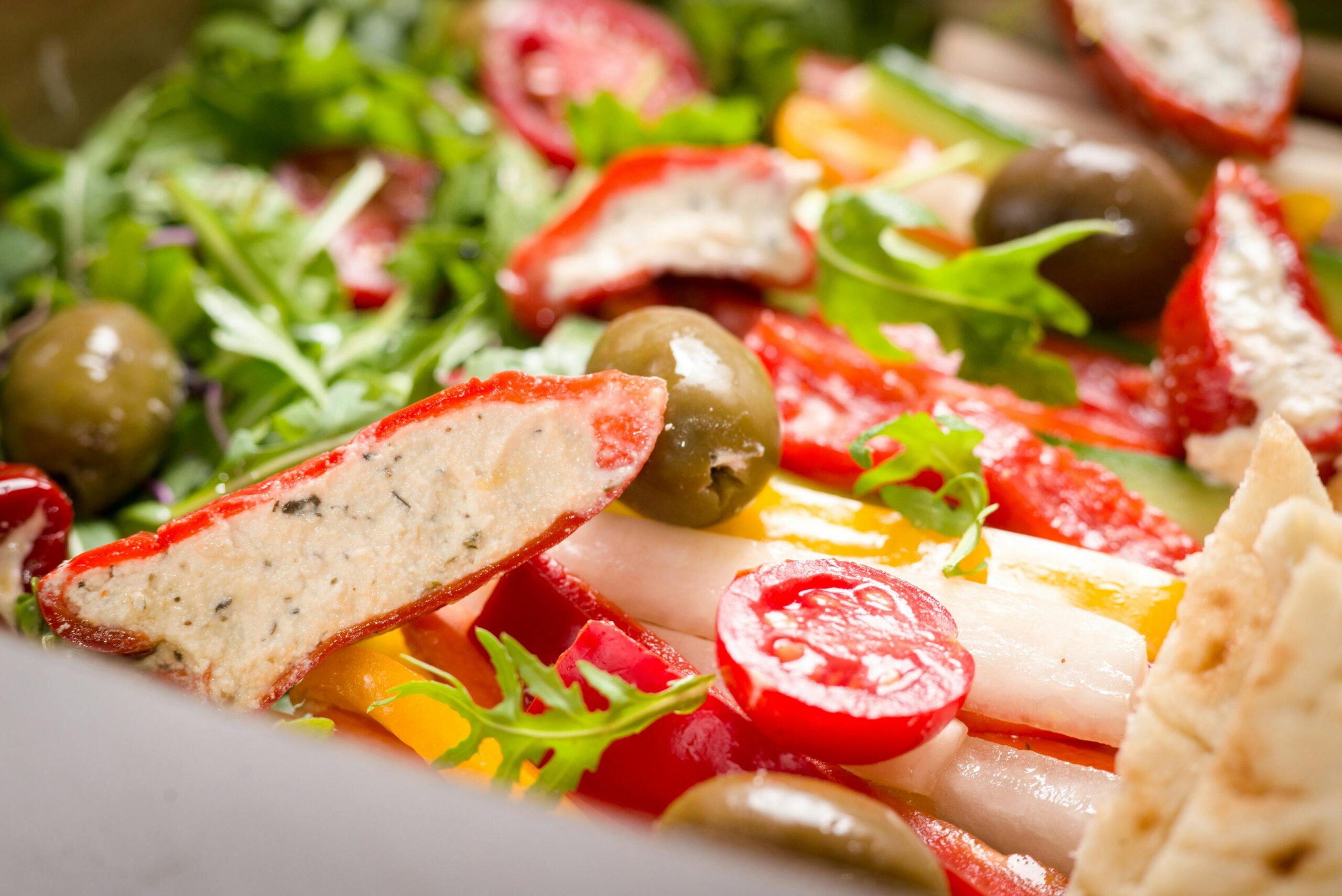
Salads prepared mindfully become celebrations of color, texture, and seasonal bounty rather than boring diet food. Start with mixed greens as a base, then add every color of vegetable you can find: purple cabbage, orange bell peppers, yellow cherry tomatoes, green cucumbers, and red radishes.
Include various textures: creamy avocado, crunchy toasted nuts, chewy dried fruit, crispy roasted seeds. Add protein through chickpeas, white beans, or marinated tofu. The chopping itself becomes meditation—each vegetable receiving attention and care as it’s transformed from whole to component.
Create a simple vinaigrette with olive oil, apple cider vinegar, Dijon mustard, maple syrup, salt, and pepper. Toss everything together just before serving, noticing how the dressing coats each ingredient, how colors mix and contrast, how diverse elements unite into a harmonious whole—a metaphor for mindful living itself.
Cultivating Rituals Around Eating 🙏
Mindful cooking naturally extends into mindful eating. After investing presence and care into meal preparation, honor that effort by eating with equal attention and gratitude. Create simple rituals that mark the transition from cooking to eating, from doing to being.
Set your table, even when eating alone. Use real plates rather than eating from containers. Light a candle. Take three deep breaths before beginning to eat. Express gratitude—whether through formal prayer or silent acknowledgment—for the food, the hands that grew it, and the circumstances that made this meal possible.
Eat without screens or reading material when possible. Notice the first bite completely: temperature, texture, flavors unfolding. Chew thoroughly, putting down your fork between bites. These practices enhance digestion, increase satisfaction, and often lead to eating appropriate amounts rather than overeating.
Observe how different foods affect your energy, mood, and body sensations in the hours after eating. This developing awareness helps you understand your unique nutritional needs rather than following generic dietary advice that may not suit your individual constitution.
Overcoming Common Challenges on the Path
Transitioning to plant-based mindful cooking presents challenges that can discourage newcomers. Anticipating these obstacles and developing strategies to address them increases the likelihood of long-term success and satisfaction.
Time constraints rank among the most common concerns. Modern life moves quickly, and cooking from scratch requires time. Start small rather than attempting complete dietary overhaul overnight. Cook mindfully once or twice weekly initially, gradually expanding as skills develop and efficiency improves. Even one mindfully prepared meal weekly offers benefits.
Dealing with family members who resist plant-based eating requires patience and creativity. Rather than forcing change, invite participation. Cook familiar comfort foods with plant-based modifications. Involve resistant family members in cooking, as direct participation often reduces resistance. Focus on adding delicious plant-based meals rather than removing favorite foods, creating positive associations.
Budget concerns can be addressed through strategic shopping and cooking. Contrary to popular belief, plant-based eating can be quite economical. Dried beans and grains cost pennies per serving. Seasonal produce from farmers markets or discount grocers offers affordability. Growing herbs on a windowsill provides fresh flavor at minimal cost.
The Ripple Effects of Conscious Cooking 🌊
The benefits of plant-based mindful cooking extend far beyond individual meals. This practice creates positive ripple effects throughout your life and into the wider world, demonstrating how personal choices contribute to collective wellbeing.
Environmental impacts are significant and measurable. Plant-based diets reduce water consumption, land use, and greenhouse gas emissions compared to meat-heavy diets. Each plant-based meal represents a vote for sustainability, a small but meaningful action toward environmental stewardship.
Health improvements often emerge naturally from mindful plant-based eating. Increased vegetable consumption provides fiber, vitamins, minerals, and protective phytonutrients. Many people experience improved energy, better digestion, clearer skin, and enhanced mental clarity. These changes happen not through restrictive dieting but through nourishing abundance.
The mindfulness component offers mental health benefits independent of dietary changes. Regular mindfulness practice—whether formal meditation or applied through cooking—reduces anxiety, improves emotional regulation, and enhances overall life satisfaction. The kitchen becomes a practice space where life skills develop naturally.
Social connections deepen around shared meals prepared with intention and love. Cooking for others becomes an expression of care, a tangible way to nourish relationships. The conversations that happen around tables where mindfully prepared food is shared tend toward depth, presence, and authentic connection.
Your Personal Journey Begins Now
Plant-based mindful cooking isn’t a destination but an ongoing journey of discovery, growth, and deepening awareness. Each meal offers a fresh opportunity to practice presence, make conscious choices, and nourish yourself on multiple levels simultaneously.
Begin exactly where you are, with whatever skills, ingredients, and time you currently have available. There’s no need to wait for the perfect kitchen, complete ingredient collection, or advanced cooking abilities. Start with one simple recipe, approached with full attention and openness to the experience.
Notice what changes as you bring more mindfulness into your cooking. Perhaps stress levels decrease. Maybe you discover joy in activities that previously felt like chores. You might find yourself more connected to the rhythms of seasons and the origins of your food. These subtle shifts accumulate into profound transformation over time.
Remember that perfection isn’t the goal—presence is. Some meals will turn out spectacularly; others will be merely adequate or even disappointing. Each outcome offers learning opportunities when approached with curiosity rather than judgment. The practice lies in showing up repeatedly, bringing awareness to the process regardless of results.
As your skills develop and confidence grows, you’ll find yourself cooking more intuitively, needing recipes less frequently, and experiencing genuine creativity in the kitchen. Your relationship with food evolves from transactional fuel to sacred nourishment, from rushed necessity to meaningful ritual.
The art of plant-based mindful cooking ultimately teaches lessons that extend far beyond the kitchen. It demonstrates how presence transforms ordinary activities into extraordinary experiences, how conscious choices create positive ripples, and how nourishing ourselves properly enables us to show up more fully in every area of life. Your body and soul deserve this level of care, and the planet benefits from your commitment to sustainable, compassionate eating. Start today, one mindful meal at a time, and discover the profound satisfaction that comes from truly nourishing yourself.