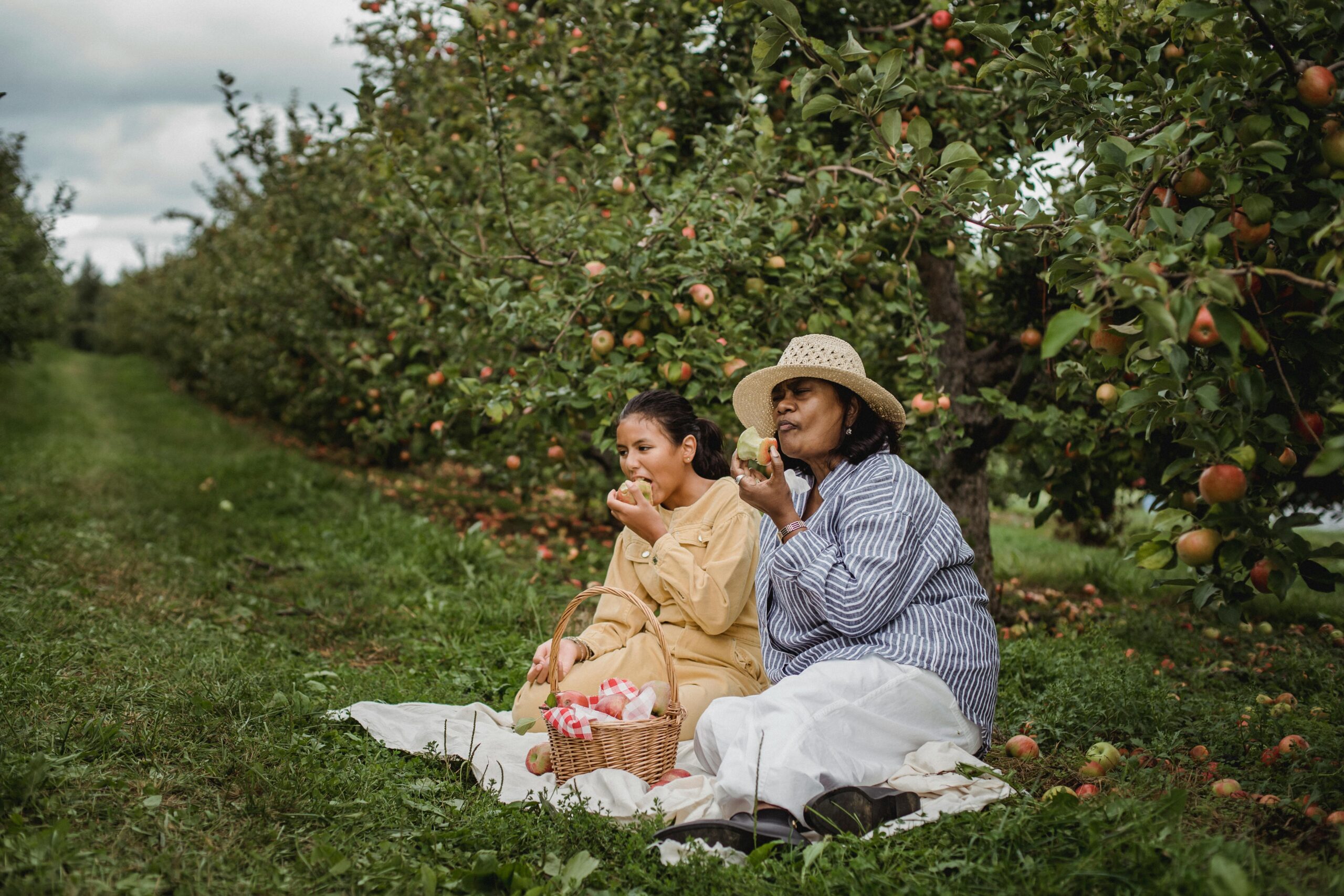
In a world dominated by distraction and haste, eating has become a mechanical act we barely notice. Rediscovering the sacred in our meals transforms nourishment into mindful ritual.

Every bite we take holds the potential for profound connection—to ourselves, our food, our community, and the natural world that sustains us. Yet most of us rush through meals while scrolling through phones, watching television, or mentally rehearsing tomorrow’s tasks. We’ve forgotten that eating is not merely fuel consumption but an opportunity for presence, gratitude, and genuine nourishment that extends far beyond the physical body.
The practice of mindful eating invites us to slow down, awaken our senses, and cultivate deeper awareness around one of our most fundamental human activities. When we approach meals as intentional rituals rather than obligatory pit stops, we unlock benefits that ripple through every aspect of our wellbeing—from improved digestion and healthier relationships with food to heightened joy and spiritual connection.
🌿 The Ancient Wisdom of Eating as Ceremony
Long before modern nutritional science, cultures worldwide understood eating as a sacred act. Indigenous traditions have always honored the life that becomes food, expressing gratitude to plants, animals, earth, and sky. Buddhist monks practice mindful eating as meditation. Jewish blessings acknowledge divine providence before meals. These aren’t quaint customs—they’re sophisticated technologies for presence.
Traditional eating rituals serve multiple purposes: they create pause before consumption, foster gratitude, build community bonds, and acknowledge our interdependence with all life. When we strip away these ceremonial elements in favor of efficiency, we lose more than tradition—we sacrifice opportunities for meaning, connection, and genuine satisfaction.
The Japanese concept of “ichigo ichie”—this moment only once—beautifully captures the essence of mindful eating. Each meal is unrepeatable, a unique convergence of circumstances, flavors, and company that will never exist in exactly this way again. This perspective naturally cultivates presence and appreciation.
Understanding Mindful Eating Beyond Diet Culture 🧘
Mindful eating is often misunderstood as another diet technique or weight-loss strategy. While conscious eating may influence body composition, reducing it to this function misses the profound transformation it offers. Mindfulness around food is fundamentally about developing awareness, not restriction or control.
True mindful eating means approaching meals with curiosity rather than judgment. It involves noticing hunger and fullness cues without rigid rules. It means savoring flavors, textures, and aromas with full attention. Most importantly, it requires compassion toward ourselves and our eating patterns, recognizing that perfection isn’t the goal—presence is.
This practice helps us distinguish between physical hunger and emotional eating, between genuine satisfaction and mindless consumption. When we eat with awareness, we naturally make choices that honor our bodies without the rebellion and restriction that diets provoke. The transformation happens organically, from the inside out.
Creating Your Personal Eating Ritual Foundation ✨
Establishing eating rituals doesn’t require elaborate ceremonies or significant time investments. Small, consistent practices create profound shifts. The key is intentionality—consciously designing moments of presence around nourishment rather than letting meals happen by default.
Begin by identifying which meals offer the most realistic opportunity for mindfulness in your current life. Perhaps breakfast is too rushed, but dinner provides space for ritual. Start there. Consistency with one meal creates momentum that naturally extends to others over time.
Setting the Stage for Presence
Environment profoundly influences our capacity for mindfulness. Before eating, create conditions conducive to presence:
- Clear your eating space of distractions—put phones in another room, turn off screens
- Set the table, even when eating alone, as a signal of respect for the meal
- Light a candle or arrange flowers to designate mealtime as special
- Play gentle background music or embrace silence
- Take three deep breaths before beginning to eat, transitioning from doing to being
These simple acts communicate to your nervous system that this moment matters, that you’re shifting from the scattered energy of productivity into the receptive state of nourishment.
The Practice of Gratitude Before Eating 🙏
Gratitude transforms eating from consumption to communion. Before taking the first bite, pause to acknowledge the remarkable journey that brought food to your plate. This isn’t religious obligation—it’s recognition of interdependence and an antidote to taking abundance for granted.
Your gratitude practice might include reflecting on the farmers who grew your vegetables, the sun and rain that nurtured them, the truck drivers who transported them, the grocery workers who stocked shelves. Consider the soil microorganisms, the plant’s life cycle, the ancient evolutionary processes that created edible foods.
If you’re comfortable with prayer, offer thanks to whatever you consider sacred. If not, simply acknowledge: “I’m grateful for this food and all the conditions that made it possible.” Speaking gratitude aloud, even when alone, deepens its impact.
Gratitude Variations for Different Contexts
Adapt your gratitude practice to circumstances. When eating with others, invite brief shared appreciation—even just holding hands in silence for a moment. With children, make gratitude playful: take turns naming favorite meal components and why you’re thankful for them. In restaurants, silently appreciate the chef’s skill and the server’s care.
The practice isn’t about perfect words or elaborate rituals. Sincerity matters more than form. Even a momentary pause to think “thank you” before eating cultivates the awareness that shifts everything.
Engaging Your Senses Fully During Meals 👁️
Mindful eating is fundamentally sensory awareness. We often eat so quickly and distractedly that flavors barely register. Engaging all five senses transforms meals into rich, satisfying experiences that require less food to feel genuinely nourished.
Before eating, truly look at your food. Notice colors, arrangements, how light plays across surfaces. Appreciate the visual beauty of nourishment. Smell deeply—aroma constitutes much of flavor. Close your eyes and inhale, letting scent awaken anticipation and digestive processes.
When you take the first bite, place food in your mouth and pause before chewing. Notice temperature and texture. Chew slowly—at least 20 times per bite—and pay attention to how flavors change and develop. Notice the urge to swallow before you’re ready, and gently resist, continuing to experience the food fully.
Between bites, set down utensils. This simple act prevents automatic shoveling and creates natural pauses. Notice when taste intensity diminishes, signaling satisfaction. Tune into your body’s subtle fullness cues rather than relying on empty plates or external portion guidelines.
🍽️ Crafting Meaningful Meal Rituals
Beyond mindful awareness during eating, establishing rituals before and after meals deepens presence and gratitude. These bookend practices transform eating from isolated acts into meaningful ceremonies woven into daily life.
Pre-Meal Rituals That Center Presence
Consider incorporating these practices before meals:
- Washing hands slowly and intentionally, using the act as a transition into presence
- Lighting incense or diffusing essential oils to engage the sense of smell
- Reading a short poem, quote, or passage that inspires gratitude
- Taking a moment to check in with your hunger level and intention for the meal
- Arranging food beautifully on the plate, honoring aesthetics alongside nutrition
These rituals need not be lengthy. Even 60 seconds of intentional preparation dramatically shifts the quality of eating that follows.
Post-Meal Practices for Integration
After finishing, resist the urge to immediately rush into the next activity. Sit for a moment, hands on belly, and notice how you feel. Express internal gratitude for nourishment received. Clear your plate and wash dishes with the same mindfulness you brought to eating—make cleanup part of the ritual rather than a chore to resent.
Journal briefly about the eating experience if time allows. What did you notice? What were you grateful for? How did your body feel? This reflection reinforces mindful habits and builds awareness over time.
Eating Rituals for Different Life Seasons 🌱
Mindful eating practices naturally evolve as life circumstances change. Rather than abandoning rituals when routines shift, adapt them to remain sustainable and meaningful.
Mindful Eating with Children
Parents often feel mindful meals are impossible with young children. Actually, children are natural mindfulness teachers—they’re genuinely present, curious about sensory experiences, and honest about hunger and fullness. Invite them into age-appropriate rituals: lighting candles together, each person sharing gratitude, playing “flavor detective” to identify ingredients by taste.
Model mindful eating without pressuring children to participate perfectly. When they see you pausing, savoring, and expressing appreciation, they absorb these values even when appearing distracted. Make meals device-free family time, prioritizing connection over perfect behavior.
Solo Dining as Sacred Self-Care
Eating alone offers unique opportunities for deep presence without social dynamics to navigate. Yet many people struggle with solo meals, filling the void with screens or eating standing up. Reframe alone meals as appointments with yourself—deserving the same care you’d offer a cherished guest.
Set a beautiful table for one. Cook with intention or arrange takeout on real dishes. Sit down, eliminate distractions, and savor both food and solitude. Solo eating mindfully is powerful self-respect practice.
Technology and Mindful Eating: Finding Balance 📱
Technology is often portrayed as mindful eating’s enemy. While screen-distracted eating certainly prevents presence, technology can also support mindful practices when used intentionally.
Apps like Insight Timer offer guided mindful eating meditations that teach awareness techniques. Some people benefit from apps that prompt periodic check-ins about hunger, fullness, and emotional state. Food photography, often criticized as distraction, can become gratitude practice when approached as visual appreciation rather than performance.
The key is conscious choice. Decide before meals whether technology serves or hinders presence in that moment. When phones sit on the table “just in case,” they fragment attention. When intentionally used to enhance practice, then put away, technology becomes tool rather than tyrant.
Overcoming Common Obstacles to Mindful Eating 🚧
Despite good intentions, most people encounter predictable challenges when establishing eating rituals. Recognizing these obstacles and preparing responses increases long-term success.
The Time Scarcity Myth
Many believe mindful eating requires time they don’t have. Actually, presence doesn’t demand duration—it requires quality of attention. A five-minute mindful snack offers more genuine nourishment than a 30-minute distracted meal. Start with just one conscious bite per meal if necessary. Progress compounds gradually.
Social Pressure and Judgment
Practicing mindfulness in social eating situations can feel awkward or pretentious. You needn’t announce your practice or expect others to participate. Simply eat more slowly than usual, engage genuinely in conversation between bites, and silently maintain your own awareness. Often, your presence naturally slows the meal for everyone, creating space for deeper connection.
Perfectionism Paralysis
Rigid thinking sabotages mindful eating faster than any external obstacle. You’ll eat distractedly sometimes. You’ll rush meals. You’ll forget gratitude. This is completely normal and acceptable. Mindfulness includes being mindful of imperfection without self-judgment. Each meal offers a fresh opportunity—no streak to maintain, no perfection to achieve.
The Ripple Effects of Eating with Presence 🌊
When we bring mindfulness to eating, transformation extends far beyond individual meals. This practice catalyzes changes across multiple life dimensions, creating a ripple effect of increased awareness and intentionality.
People who eat mindfully often report improved digestion, as the relaxed state and thorough chewing support digestive processes. Many naturally moderate food intake without restriction, as genuine satisfaction replaces mindless consumption. Emotional eating patterns become visible and shift as awareness distinguishes between physical and psychological hunger.
Beyond physical effects, mindful eating deepens appreciation for life’s simple pleasures. When we can find richness, complexity, and satisfaction in a basic meal, we cultivate capacity for presence in all experiences. The patience and non-judgment practiced at meals transfer to relationships, work challenges, and daily frustrations.

Bringing It All to Your Table 🕊️
Beginning a mindful eating practice doesn’t require dramatic lifestyle overhaul. Start exactly where you are, with whatever meal or snack comes next. Bring curiosity instead of expectation, gentleness instead of perfection.
Choose one small ritual that resonates—perhaps three deep breaths before eating, or setting down utensils between bites. Practice consistently for a week, noticing what shifts. Then add another element. Build gradually, allowing practices to become natural rather than effortful.
Remember that mindful eating isn’t another item on your self-improvement checklist. It’s an invitation to fully receive nourishment you’re already taking. It’s permission to slow down in a culture obsessed with speed. It’s reclaiming one of life’s most fundamental acts as an opportunity for presence, gratitude, and genuine satisfaction.
Your meals are waiting to become ceremonies. Your food already holds stories of sun, soil, and countless helping hands. The only question is whether you’ll be present enough to notice—and grateful enough to honor the remarkable gift of nourishment that sustains your precious life.
The feast is already prepared. All that remains is showing up fully to receive it. 🌟