
Ever feel like your mind is clouded while your stomach churns? The surprising link between mental clarity and digestive wellness could be the missing piece of your health puzzle.

🧠 The Gut-Brain Highway: More Than Just a Connection
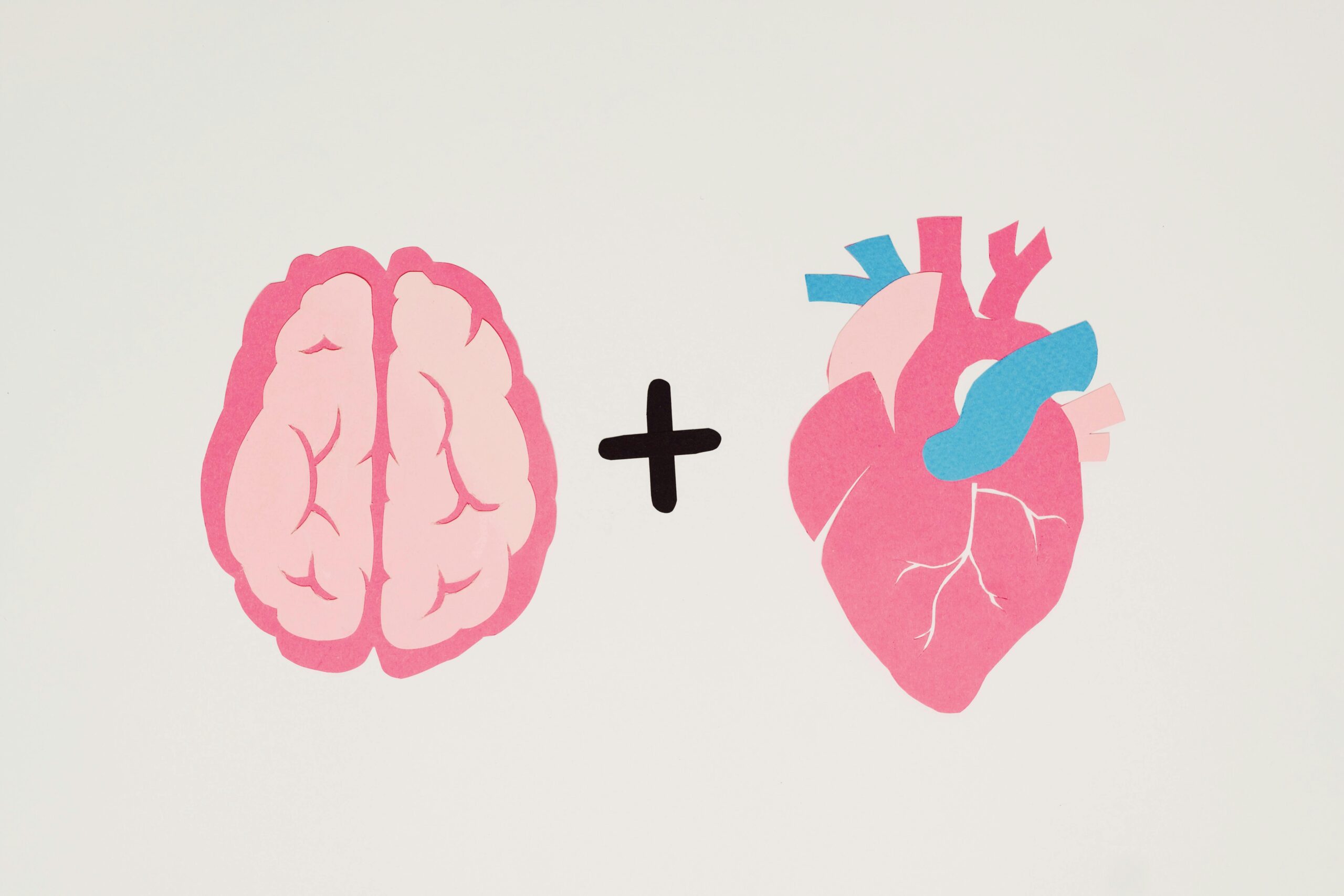
Your gut and brain maintain constant communication through what scientists call the gut-brain axis. This bidirectional superhighway involves millions of nerve cells, hormones, and biochemical signals traveling back and forth. When your digestive system experiences turbulence, your brain receives distress signals that can manifest as brain fog, difficulty concentrating, and mental fatigue.
The vagus nerve serves as the primary communication cable in this system, running from your brainstem directly to your abdomen. This remarkable nerve transmits information about your gut’s microbiome composition, inflammatory markers, and nutrient absorption status directly to your central nervous system. Understanding this connection helps explain why digestive issues so often coincide with cognitive symptoms.
What Brain Fog Really Tells Us About Digestive Health
Brain fog isn’t a medical diagnosis but rather a symptom cluster characterized by confusion, forgetfulness, lack of focus, and mental clarity issues. When your gut experiences inflammation, dysbiosis, or poor nutrient absorption, these problems cascade upward, affecting neurotransmitter production and brain function.
Research shows that approximately 90% of your body’s serotonin—a neurotransmitter crucial for mood and cognitive function—is produced in the gut. When digestive harmony is disrupted, serotonin production suffers, leading to that familiar foggy, unfocused feeling. Additionally, inflammatory compounds produced by an unhealthy gut can cross the blood-brain barrier, directly impacting neural function.
Common Digestive Culprits Behind Mental Cloudiness
- Small Intestinal Bacterial Overgrowth (SIBO) causing nutrient malabsorption
- Leaky gut syndrome allowing inflammatory particles into the bloodstream
- Food sensitivities triggering systemic inflammation
- Imbalanced gut microbiome affecting neurotransmitter production
- Chronic constipation leading to toxin reabsorption
- Low stomach acid reducing B12 and other nutrient absorption
🌟 The Microbiome’s Role in Mental Clarity
Your gut houses trillions of microorganisms collectively known as the microbiome. These microscopic residents do far more than aid digestion—they produce vitamins, regulate immune function, and manufacture neurotransmitters that directly influence mood and cognition. A diverse, balanced microbiome supports clear thinking, while a depleted or imbalanced one contributes to mental fog.
Specific bacterial strains have been identified as particularly beneficial for brain function. Lactobacillus and Bifidobacterium species, for example, produce gamma-aminobutyric acid (GABA), a neurotransmitter that promotes calmness and mental clarity. When these beneficial bacteria are outnumbered by pathogenic species, cognitive function can suffer dramatically.
Inflammation: The Bridge Between Gut Chaos and Brain Confusion
Chronic low-grade inflammation represents one of the most significant pathways connecting digestive problems to brain fog. When your gut lining becomes compromised, inflammatory molecules called cytokines enter circulation and travel throughout your body, including your brain. These compounds interfere with neurotransmitter function and can slow down mental processing speed.
The modern Western diet, high in processed foods, sugar, and unhealthy fats, promotes both gut inflammation and cognitive decline. Studies demonstrate that individuals consuming anti-inflammatory diets report significantly fewer episodes of brain fog and better overall mental performance. Reducing inflammation through dietary changes often produces noticeable improvements in both digestive symptoms and mental clarity within weeks.
Signs Your Inflammation Levels May Be Affecting Your Mind
- Afternoon energy crashes despite adequate sleep
- Difficulty recalling words or names
- Mental fatigue worsening after meals
- Simultaneous digestive discomfort and poor concentration
- Mood swings correlating with eating patterns
- Joint pain accompanying cognitive symptoms
💊 Nutritional Deficiencies: The Hidden Cognitive Drain
Even if you eat a seemingly healthy diet, poor digestive function can prevent adequate nutrient absorption. B vitamins, particularly B12, folate, and B6, are essential for neurotransmitter synthesis and brain energy metabolism. Iron, zinc, magnesium, and omega-3 fatty acids also play crucial roles in cognitive function.
When digestive issues like low stomach acid, insufficient digestive enzymes, or intestinal inflammation interfere with nutrient uptake, deficiencies develop gradually. The brain, being metabolically demanding, shows deficiency symptoms relatively quickly through reduced mental clarity, memory problems, and difficulty concentrating.
| Nutrient | Cognitive Impact When Deficient | Digestive Connection |
|---|---|---|
| Vitamin B12 | Memory problems, confusion, mental fatigue | Requires adequate stomach acid for absorption |
| Iron | Poor concentration, mental sluggishness | Celiac disease and inflammation reduce absorption |
| Magnesium | Anxiety, brain fog, poor focus | Stress and diarrhea deplete levels |
| Omega-3 Fatty Acids | Mood issues, cognitive decline | Fat malabsorption affects uptake |
| Zinc | Mental fatigue, attention problems | Low stomach acid impairs absorption |
🥗 Foods That Build Brain Clarity Through Gut Health
Strategic nutrition serves as powerful medicine for both digestive harmony and mental clarity. Incorporating specific foods that nourish your microbiome, reduce inflammation, and provide brain-essential nutrients can transform both your gut function and cognitive performance.
Fermented foods like sauerkraut, kimchi, kefir, and yogurt introduce beneficial probiotic bacteria that support neurotransmitter production. Prebiotic fibers from foods like garlic, onions, leeks, and asparagus feed these beneficial bacteria, helping them thrive and multiply. Omega-3-rich foods including wild-caught fish, walnuts, and flaxseeds provide anti-inflammatory compounds that protect both gut lining and brain tissue.
Brain-Gut Superfoods to Include Daily
- Leafy greens rich in folate and magnesium
- Fatty fish providing omega-3s and vitamin D
- Berries packed with antioxidants and fiber
- Bone broth containing gut-healing amino acids
- Fermented vegetables delivering probiotics
- Nuts and seeds offering healthy fats and minerals
- Colorful vegetables providing diverse polyphenols
Lifestyle Practices That Heal Both Mind and Gut
Beyond nutrition, several lifestyle factors profoundly influence the gut-brain connection. Chronic stress, for instance, disrupts gut motility, alters microbiome composition, and increases intestinal permeability. Managing stress through meditation, deep breathing, or mindfulness practices simultaneously improves digestive function and mental clarity.
Sleep quality dramatically affects both systems as well. During sleep, your brain clears metabolic waste products through the glymphatic system, while your gut undergoes important repair and regeneration processes. Inadequate or poor-quality sleep disrupts both mechanisms, leading to accumulating toxins, inflammation, and cognitive dysfunction.
Regular physical activity enhances gut motility, promotes beneficial bacterial diversity, and increases brain-derived neurotrophic factor (BDNF), a protein crucial for cognitive function. Even moderate exercise like walking or yoga can produce measurable improvements in both digestive symptoms and mental performance.
🔍 Identifying Your Personal Triggers
Everyone’s gut-brain connection responds differently to various foods, stressors, and lifestyle factors. Keeping a detailed journal tracking meals, digestive symptoms, and cognitive performance can reveal personalized patterns. You might discover that dairy products trigger both bloating and afternoon brain fog, or that skipping breakfast leads to both digestive discomfort and poor concentration.
Elimination diets, conducted properly and ideally under professional guidance, can identify specific food sensitivities contributing to both gut inflammation and cognitive symptoms. Common culprits include gluten, dairy, eggs, soy, and corn, though individual reactions vary considerably. Reintroducing foods systematically helps pinpoint exact triggers.
When to Seek Professional Guidance
While many gut-brain issues respond well to dietary and lifestyle modifications, persistent symptoms warrant professional evaluation. Functional medicine practitioners, integrative physicians, and registered dietitians specializing in digestive health can order comprehensive testing to identify underlying issues like SIBO, parasites, candida overgrowth, or significant nutrient deficiencies.
Advanced testing options include comprehensive stool analysis revealing microbiome composition and digestive function markers, food sensitivity panels identifying immune reactions, and organic acids testing showing metabolic and neurotransmitter status. These assessments provide targeted information for creating personalized treatment protocols.
Red Flags Requiring Medical Attention
- Severe or worsening brain fog affecting daily functioning
- Unintentional weight loss or gain
- Blood in stool or persistent diarrhea
- Intense abdominal pain or cramping
- Cognitive symptoms accompanied by neurological signs
- Depression or anxiety severely impacting quality of life
🌱 Building Your Personalized Healing Protocol
Restoring digestive harmony and mental clarity requires a comprehensive, individualized approach. Start by addressing foundational elements: prioritize sleep consistency, implement stress-reduction practices, stay adequately hydrated, and gradually improve dietary quality. These basics create the foundation upon which more specific interventions can build.
Consider incorporating targeted supplements based on your specific needs. High-quality probiotics containing multiple strains can help rebalance your microbiome. Digestive enzymes support nutrient breakdown and absorption. L-glutamine helps repair intestinal lining. Omega-3 supplements provide anti-inflammatory benefits. Always consult healthcare providers before starting new supplements, especially if taking medications.
Patience proves essential throughout this healing journey. The gut lining regenerates approximately every five to seven days, but fully restoring microbiome balance and resolving chronic inflammation typically requires several months. Track your progress through journaling, noting improvements in both digestive symptoms and mental clarity as motivation during the process.
The Power of Mindful Eating for Gut-Brain Wellness
How you eat matters nearly as much as what you eat. Mindful eating practices activate the parasympathetic nervous system—your “rest and digest” mode—optimizing digestive enzyme secretion and nutrient absorption. Eating slowly, chewing thoroughly, and avoiding distractions during meals all contribute to better digestion and subsequently clearer thinking.
Your eating environment influences digestion as well. Consuming meals in a relaxed setting, avoiding work or stressful conversations during eating, and taking time to appreciate your food all enhance digestive function. These practices also strengthen the positive feedback loop between satisfying meals and mental wellbeing.
🎯 Moving Forward With Confidence and Clarity
Understanding the intimate connection between digestive health and mental clarity empowers you to take meaningful action. Small, consistent changes compound over time, producing remarkable transformations in both gut function and cognitive performance. Whether addressing long-standing digestive issues or simply optimizing already-decent health, strengthening your gut-brain axis offers profound benefits.
Remember that healing rarely follows a perfectly linear path. Some days will feel better than others, and setbacks occasionally occur. These fluctuations represent normal parts of the healing process rather than failures. Maintain perspective, celebrate small victories, and trust that persistent effort toward gut health inevitably supports brain clarity.
Your journey toward a clear mind and happy gut begins with awareness and commitment to prioritizing these interconnected systems. By nourishing your digestive tract with thoughtful food choices, beneficial bacteria, stress management, and adequate rest, you simultaneously support optimal brain function. The remarkable gut-brain connection means that healing one system naturally enhances the other, creating an upward spiral of improved wellbeing that touches every aspect of your life.