
Aging begins at the cellular level, and the secret to longevity may be hiding in your kitchen, waiting to unlock your body’s regenerative potential through telomere protection.

🧬 Understanding Telomeres: Your Cellular Clock
Telomeres are the protective caps at the ends of our chromosomes, similar to the plastic tips on shoelaces that prevent fraying. Every time our cells divide, these telomeres shorten slightly. When they become too short, cells can no longer divide properly, leading to aging, cellular dysfunction, and increased vulnerability to age-related diseases.
Think of telomeres as your biological clock. The rate at which they shorten determines how quickly your body ages at the cellular level. While genetic factors play a role, research has revealed that lifestyle choices, particularly nutrition, significantly impact telomere length and cellular health.
The groundbreaking work of Nobel Prize-winning scientist Elizabeth Blackburn demonstrated that telomere length isn’t predetermined destiny. Environmental factors, including diet, stress management, and exercise, can either accelerate or slow telomere shortening. This discovery opened revolutionary pathways for understanding how we can influence our aging process through conscious choices.
The Science Behind Telomere-Boosting Nutrition
Scientific research has identified specific nutrients that support telomere health by protecting against oxidative stress and inflammation, the two primary culprits behind accelerated telomere shortening. Antioxidants neutralize free radicals that damage DNA and telomeres, while anti-inflammatory compounds reduce chronic inflammation that accelerates cellular aging.
Studies published in prominent journals like the American Journal of Clinical Nutrition have demonstrated that individuals consuming diets rich in antioxidants, omega-3 fatty acids, and phytonutrients tend to have longer telomeres compared to those following typical Western diets high in processed foods and refined sugars.
Key Nutrients for Telomere Protection
Several essential nutrients have been scientifically linked to telomere maintenance:
- Omega-3 fatty acids: Reduce inflammation and protect cellular membranes
- Vitamin D: Regulates telomerase activity, the enzyme that rebuilds telomeres
- Folate and B vitamins: Support DNA repair and cellular function
- Polyphenols: Powerful antioxidants that combat oxidative stress
- Vitamin C and E: Essential antioxidants protecting against free radical damage
- Magnesium: Crucial for DNA stability and repair mechanisms
🥬 Superfoods That Protect Your Telomeres
Certain foods stand out as exceptional sources of telomere-protective compounds. Incorporating these superfoods into your daily diet creates a nutritional foundation for cellular longevity and youthful aging.
Leafy Green Vegetables: Nature’s Cellular Shield
Spinach, kale, Swiss chard, and collard greens are loaded with folate, magnesium, and powerful antioxidants like lutein and zeaxanthin. Research indicates that individuals who consume leafy greens regularly have measurably longer telomeres. These vegetables also provide fiber that supports gut health, which is increasingly recognized as central to systemic inflammation control.
Aim for at least two cups of leafy greens daily. Add them to smoothies, salads, stir-fries, or simply sauté them with garlic and olive oil for a delicious side dish that supports your cellular health.
Fatty Fish: Omega-3 Powerhouses
Salmon, mackerel, sardines, and anchovies deliver high concentrations of omega-3 fatty acids EPA and DHA. Multiple studies have established a direct correlation between omega-3 intake and telomere length. These essential fats reduce inflammatory markers throughout the body and support cellular membrane integrity.
Consuming fatty fish three times weekly provides optimal omega-3 levels for telomere protection. For those who don’t eat fish, high-quality algae-based supplements offer a plant-based alternative.
Berries: Antioxidant Superstars
Blueberries, strawberries, blackberries, and raspberries contain exceptional concentrations of anthocyanins and other polyphenols that neutralize free radicals before they damage cellular structures. The ORAC (Oxygen Radical Absorbance Capacity) scores of berries rank among the highest of all foods.
Fresh or frozen berries retain their nutritional value. Adding a cup of mixed berries to your daily routine provides substantial antioxidant protection for your telomeres while satisfying sweet cravings naturally.
Nuts and Seeds: Concentrated Nutrition
Walnuts, almonds, flaxseeds, chia seeds, and pumpkin seeds deliver vitamin E, selenium, omega-3s, and magnesium. Walnuts specifically have been associated with longer telomeres in multiple population studies. These foods provide sustained energy while protecting cellular health.
A handful of mixed nuts daily (approximately one ounce) offers optimal benefits without excessive calories. Grinding flaxseeds and chia seeds enhances nutrient absorption.
🍊 Additional Telomere-Supporting Foods
Legumes and Whole Grains
Beans, lentils, chickpeas, quinoa, and oats provide B vitamins, particularly folate, essential for DNA repair and telomere maintenance. These fiber-rich foods also support beneficial gut bacteria that produce anti-inflammatory compounds protecting telomeres indirectly through systemic inflammation reduction.
Colorful Vegetables
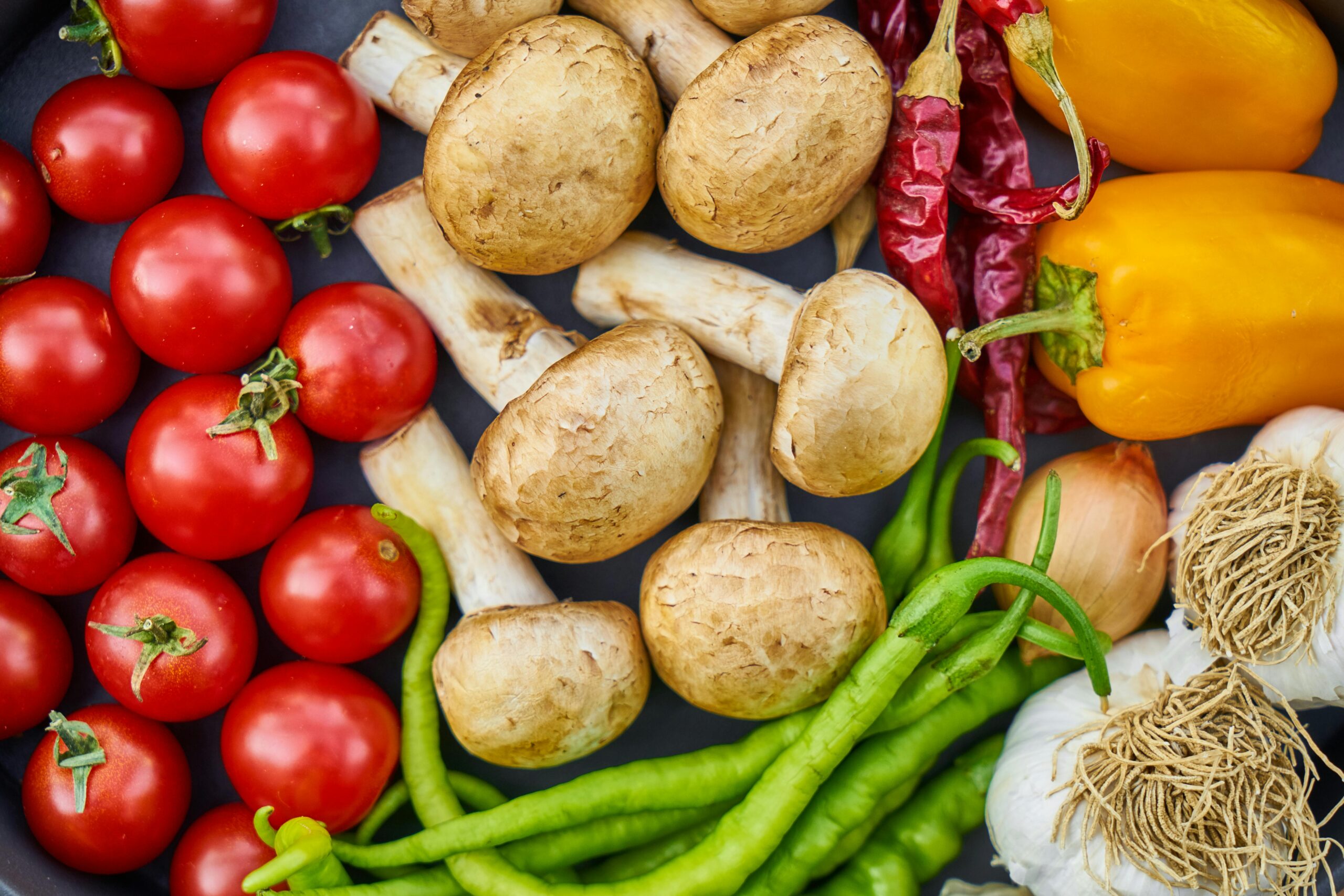
Carrots, sweet potatoes, bell peppers, tomatoes, and beets contain carotenoids and other phytonutrients with potent antioxidant properties. The diverse color spectrum indicates different protective compounds, making variety essential for comprehensive cellular protection.
Green Tea: Ancient Wisdom Meets Modern Science
Green tea contains EGCG (epigallocatechin gallate), a catechin with remarkable antioxidant and anti-inflammatory properties. Regular green tea consumption has been linked to longer telomeres in several studies. Three to four cups daily provides optimal polyphenol levels.
Dark Chocolate and Cacao
High-quality dark chocolate (70% cacao or higher) delivers flavonoids that protect against oxidative stress. Moderate consumption—about one ounce daily—provides benefits without excessive sugar or calories that could counteract positive effects.
Foods That Accelerate Telomere Shortening
Understanding what to avoid is equally important. Certain dietary patterns actively accelerate telomere shortening and cellular aging:
- Processed meats: Contain compounds that increase oxidative stress and inflammation
- Refined sugars: Create inflammatory responses and glycation damage
- Trans fats: Directly damage cellular membranes and promote inflammation
- Excessive alcohol: Generates oxidative stress and depletes protective nutrients
- Highly processed foods: Lack protective nutrients while containing inflammatory additives
Minimizing these foods while emphasizing telomere-boosting superfoods creates the optimal nutritional environment for cellular longevity.
💪 Lifestyle Factors That Complement Nutrition
Exercise and Movement
Physical activity directly influences telomere length. Moderate aerobic exercise and strength training have both been associated with longer telomeres. Exercise reduces oxidative stress over time, despite temporarily increasing it during workouts, by upregulating antioxidant systems.
Aim for 150 minutes of moderate exercise weekly, combining cardiovascular activities with resistance training for comprehensive benefits.
Stress Management
Chronic psychological stress accelerates telomere shortening through increased cortisol production and oxidative stress. Meditation, yoga, deep breathing practices, and mindfulness have demonstrated protective effects on telomere length in randomized controlled trials.
Even brief daily practices—ten to twenty minutes—provide measurable benefits when maintained consistently over time.
Sleep Quality
Inadequate or poor-quality sleep correlates with shorter telomeres. During sleep, cellular repair processes operate most efficiently. Adults should prioritize seven to nine hours of quality sleep nightly for optimal cellular regeneration.
🍽️ Practical Implementation: Building Your Telomere-Protective Diet
Transforming knowledge into action requires practical strategies for incorporating telomere-boosting superfoods into daily life.
Start Your Day Right
Begin with a nutrient-dense breakfast combining multiple telomere-protective foods. Try steel-cut oats topped with berries, ground flaxseeds, walnuts, and a sprinkle of cinnamon. Alternatively, blend a smoothie with spinach, frozen berries, banana, chia seeds, and green tea as the liquid base.
Strategic Snacking
Replace processed snacks with telomere-supporting options. Keep raw nuts, fresh berries, sliced vegetables with hummus, or dark chocolate squares readily available. Preparation prevents defaulting to convenient but nutritionally empty alternatives.
Dinner as Cellular Nourishment
Design dinners around fatty fish or legumes as protein sources, accompanied by generous portions of colorful vegetables and leafy greens. This Mediterranean-style approach consistently demonstrates the strongest associations with telomere length in population studies.
🔬 Emerging Research and Future Directions
Telomere science continues evolving rapidly. Recent research explores how specific food combinations might synergistically enhance telomere protection beyond individual nutrients. The interaction between gut microbiome composition and telomere health represents another frontier, suggesting that prebiotic and probiotic foods may indirectly support telomere maintenance.
Scientists are also investigating how timing of nutrient intake—circadian nutrition—might optimize cellular repair processes. Preliminary findings suggest that aligning eating patterns with natural circadian rhythms may enhance the telomere-protective effects of superfoods.
Measuring Your Progress
While direct telomere testing exists through specialized laboratories, practical markers of cellular health include energy levels, recovery time from illness or exercise, skin quality, and mental clarity. These everyday indicators reflect underlying cellular function improvements resulting from telomere-protective nutrition.
Focus on consistent implementation rather than perfection. Small, sustainable changes compound over time, creating significant impacts on cellular health and longevity.
🌟 Your Cellular Transformation Begins Today
The remarkable discovery that we can influence our telomeres through nutrition empowers us to take active roles in our aging process. Unlike genetic inheritance, which we cannot change, dietary choices remain firmly within our control.
Every meal presents an opportunity to nourish your cells with telomere-protective superfoods or to accelerate aging with inflammatory, nutrient-poor alternatives. The accumulated effect of thousands of these choices over months and years determines your cellular age and health trajectory.
Begin with simple substitutions: replace refined grains with whole grains, add berries to breakfast, include fatty fish weekly, snack on nuts instead of chips, and fill half your plate with vegetables at lunch and dinner. These foundational changes establish a telomere-supporting dietary pattern without requiring dramatic lifestyle overhauls.
Remember that nutrition works synergistically with other lifestyle factors. Combining telomere-boosting superfoods with regular exercise, stress management, and quality sleep creates comprehensive support for cellular health and longevity.
Your biological age doesn’t need to match your chronological age. The science of telomere nutrition provides a evidence-based roadmap for unlocking your cellular potential, supporting youthful aging, and extending your healthspan—the years of vibrant, active life you enjoy.
The journey to cellular rejuvenation starts with your next meal. Choose wisely, eat colorfully, and give your telomeres the nutritional support they need to keep your cells dividing healthily for decades to come. Your future self will thank you for the investment you make in your cellular health today.