
The world is witnessing a remarkable transformation as plant-based science reshapes how we eat, live, and think about sustainability for future generations.

🌱 The Scientific Revolution Behind Plant-Based Living
Vegan science has evolved far beyond simple dietary choices into a sophisticated field of research that encompasses nutrition, environmental science, biotechnology, and food innovation. Universities and research institutions worldwide are dedicating significant resources to understanding the health benefits, environmental impacts, and practical applications of plant-based lifestyles. This scientific movement is producing groundbreaking discoveries that challenge long-held assumptions about human nutrition and planetary health.
The intersection of technology and plant-based research has created unprecedented opportunities for innovation. Scientists are now engineering plant-based proteins that mimic the taste, texture, and nutritional profile of animal products with stunning accuracy. Meanwhile, nutritional researchers are documenting the profound health benefits associated with well-planned vegan diets, from reduced cardiovascular disease risk to improved metabolic markers.
This scientific renaissance isn’t happening in isolation. It’s driven by urgent climate concerns, growing awareness of animal welfare issues, and mounting evidence that our current food systems are unsustainable. The convergence of these factors has elevated vegan science from a niche interest to a mainstream priority for governments, corporations, and health organizations globally.
Nutritional Science: Debunking Myths and Establishing Facts
One of the most significant contributions of vegan science has been the systematic dismantling of nutritional myths. For decades, conventional wisdom suggested that animal products were essential for optimal health. However, comprehensive research from institutions like the Academy of Nutrition and Dietetics now confirms that appropriately planned vegan diets are healthful, nutritionally adequate, and may provide health benefits in the prevention and treatment of certain diseases.
Studies published in leading medical journals have demonstrated that plant-based diets are associated with lower blood pressure, reduced cholesterol levels, and decreased rates of heart disease, type 2 diabetes, and certain cancers. The EPIC-Oxford study, one of the largest investigations into diet and health, has provided compelling evidence that vegans typically have lower body mass indexes and reduced disease risk compared to meat-eaters.
Protein quality has been a particular focus of recent research. Scientists have established that plant proteins, when consumed in adequate variety and quantity, provide all essential amino acids necessary for human health. Legumes, quinoa, soy products, and combinations of grains with pulses offer complete protein profiles that rival or exceed animal sources in terms of bioavailability and health outcomes.
Essential Nutrients and Plant-Based Solutions
Vegan nutritional science has also addressed concerns about potentially deficient nutrients. Researchers have identified reliable plant-based or supplemental sources for all essential nutrients:
- Vitamin B12: Fortified foods and supplements provide adequate B12 without animal products
- Omega-3 fatty acids: Algae-based supplements offer EPA and DHA without fish
- Iron: Plant sources combined with vitamin C-rich foods enhance absorption
- Calcium: Fortified plant milks, leafy greens, and tofu provide sufficient calcium
- Vitamin D: Mushrooms exposed to UV light and fortified foods offer plant-based options
- Zinc: Legumes, nuts, seeds, and whole grains meet daily requirements
🔬 Food Technology: Engineering the Future of Eating
The technological revolution in plant-based food science represents perhaps the most visible aspect of the vegan science movement. Companies and research laboratories are employing cutting-edge techniques to create plant-based alternatives that satisfy even the most dedicated omnivores. This isn’t about making bland tofu burgers anymore—it’s about precision fermentation, cellular agriculture, and molecular gastronomy.
Impossible Foods and Beyond Meat pioneered the use of plant-based heme and protein isolation to create burgers that “bleed” and sizzle like beef. Their success opened floodgates of investment into plant-based food technology. Now, scientists are using similar techniques to replicate chicken, fish, eggs, and dairy products with remarkable fidelity.
Precision fermentation represents the next frontier. This process uses microorganisms to produce specific proteins identical to those found in animal products, but without involving animals. Companies are already producing dairy proteins through fermentation, creating milk, cheese, and ice cream that are molecularly identical to conventional dairy but entirely animal-free.
The Innovation Pipeline
Research laboratories worldwide are working on innovations that seemed like science fiction just years ago. Three-dimensional food printing allows for customized textures and nutritional profiles. Cultivated fat tissues add authentic mouthfeel to plant-based meats. Advanced flavor chemistry recreates the complex taste profiles that come from cooking animal products.
The speed of innovation is accelerating. What once took decades of research can now be accomplished in years or even months, thanks to advanced computational modeling, artificial intelligence, and collaborative research networks. Universities in the United States, Europe, and Asia have established dedicated plant-based food science programs, training the next generation of food technologists.
Environmental Science: Quantifying the Planetary Impact 🌍
Perhaps the most compelling scientific case for plant-based living comes from environmental research. The data is unambiguous: animal agriculture is one of the leading contributors to climate change, deforestation, water pollution, and biodiversity loss. Vegan science has meticulously quantified these impacts, providing the evidence needed to drive policy changes and consumer behavior shifts.
A landmark Oxford University study published in the journal Science analyzed the environmental impacts of nearly 40,000 farms in 119 countries. The researchers concluded that adopting a vegan diet is “the single biggest way” an individual can reduce their environmental impact on the planet. The study found that avoiding meat and dairy products could reduce an individual’s carbon footprint from food by up to 73%.
Water usage presents another stark contrast. Producing one kilogram of beef requires approximately 15,000 liters of water, while the same amount of vegetables requires just 322 liters. As water scarcity becomes an increasingly critical global issue, these differences gain greater significance for food security and sustainable resource management.
Carbon Footprint Comparisons
The greenhouse gas emissions associated with food production vary dramatically based on food type. Research has established clear rankings:
| Food Type | CO2 Equivalent (kg per kg of food) | Land Use (m² per kg) |
|---|---|---|
| Beef | 60.0 | 326 |
| Lamb | 24.0 | 185 |
| Cheese | 21.0 | 41 |
| Pork | 7.0 | 18 |
| Poultry | 6.0 | 12 |
| Tofu | 3.0 | 3.5 |
| Beans | 2.0 | 3.4 |
| Vegetables | 0.4 | 0.3 |
These numbers have profound implications. If the global population adopted plant-based diets, we could reduce agricultural land use by 75%—an area equivalent to the United States, China, European Union, and Australia combined—while still feeding the world. This land could be rewilded, sequestering massive amounts of carbon and restoring biodiversity.
Medical Research: Prevention and Treatment Through Plants
Clinical research continues to reveal the therapeutic potential of plant-based diets for preventing and even reversing chronic diseases. Dr. Dean Ornish’s pioneering work demonstrated that intensive lifestyle changes, including a low-fat plant-based diet, could actually reverse coronary artery disease without medication or surgery. His peer-reviewed research has been replicated and expanded by numerous subsequent studies.
The Physicians Committee for Responsible Medicine has conducted multiple clinical trials showing that plant-based diets can significantly improve outcomes for people with type 2 diabetes. In some studies, participants following vegan diets showed greater improvements in glycemic control compared to those following conventional diabetes diets, even when consuming the same number of calories.
Cancer research has also yielded promising findings. Large-scale epidemiological studies suggest that vegans have lower rates of several common cancers compared to meat-eaters. While diet is just one factor in cancer development, the protective effects of plant-based eating patterns appear significant, possibly due to higher fiber intake, increased phytonutrient consumption, and reduced exposure to compounds formed during meat cooking.
The Gut Microbiome Connection
Emerging research on the gut microbiome has revealed another mechanism through which plant-based diets promote health. The trillions of bacteria in our digestive systems thrive on fiber and other plant compounds, producing beneficial metabolites that influence everything from immune function to mental health. Vegan diets typically provide far more fiber than omnivorous diets, supporting a more diverse and healthy gut microbiome.
Studies using advanced genomic sequencing have shown that people following plant-based diets harbor different bacterial populations than omnivores, with more species associated with positive health outcomes. This research opens exciting possibilities for personalized nutrition recommendations based on individual microbiome profiles.
🌾 Agricultural Science: Growing Food More Efficiently
Plant-based agriculture represents a fundamentally more efficient use of resources than animal agriculture. This isn’t opinion—it’s thermodynamics. When crops are fed to animals, who are then consumed by humans, approximately 90% of the calories are lost in the conversion process. Growing plants directly for human consumption eliminates this inefficiency.
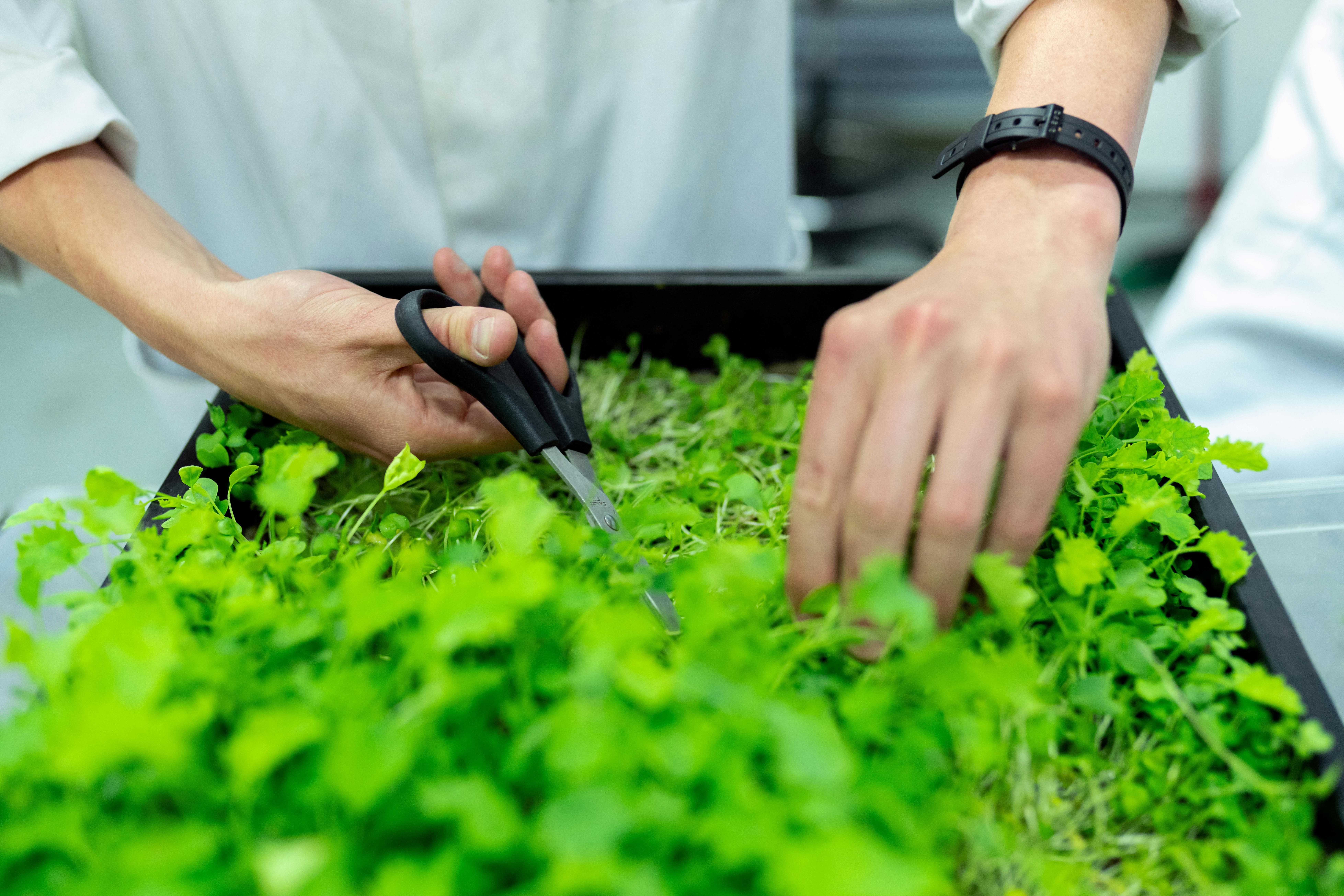
Agricultural scientists are developing crop varieties specifically optimized for human consumption rather than animal feed. These include high-protein legumes, nutrient-dense grains, and vegetables engineered for improved yield, pest resistance, and nutritional content. Vertical farming and controlled environment agriculture allow for year-round production with minimal water and pesticide use.
Regenerative agriculture practices that build soil health while producing plant-based foods represent another promising area of research. Cover cropping, crop rotation, and reduced tillage can sequester carbon in soil while producing abundant harvests. Some studies suggest that regenerative plant agriculture could actually make farms carbon-negative, removing more greenhouse gases from the atmosphere than they emit.
Social Science: Understanding Adoption and Behavior Change
Vegan science isn’t limited to laboratories and farms. Social scientists study the psychological, cultural, and economic factors that influence dietary choices. Understanding why people adopt or resist plant-based diets is crucial for designing effective interventions and policies.
Research has identified several key motivators for dietary change: health concerns, environmental awareness, animal welfare, and social influence all play roles. However, barriers persist, including habit, taste preferences, social norms, convenience, and perceived cost. Successful strategies for promoting plant-based eating address these obstacles through targeted messaging, improved product availability, and social marketing campaigns.
Studies on behavioral economics have shown that small changes in how choices are presented—like making plant-based options the default or highlighting their environmental benefits—can significantly influence consumption patterns. Restaurants and institutions implementing these “nudge” strategies have reported substantial increases in plant-based meal selection without restricting choice.
🚀 The Global Movement and Future Trajectories
The rise of vegan science is truly global, with research centers, companies, and advocacy organizations emerging on every continent. Singapore has approved the sale of cultivated meat products. Israel leads the world in per capita investment in food technology startups. China has included plant-based protein in its national dietary guidelines, partly to address the environmental impact of its growing meat consumption.
European nations are implementing policies to shift consumption toward plant-based foods. Denmark’s National Dietary Guidelines now recommend eating more plants and less meat for environmental reasons. Germany has invested millions in plant-based food research. The United Kingdom has seen explosive growth in vegan product offerings and vegan-friendly businesses.
For those interested in tracking their journey toward plant-based living, several mobile applications provide meal planning, nutritional tracking, and community support. Apps like HappyCow help users find vegan-friendly restaurants worldwide, while others offer recipe databases and shopping guides tailored to plant-based diets.
Overcoming Scientific Challenges and Future Research
Despite remarkable progress, significant challenges remain for vegan science. Nutritional adequacy across diverse populations requires continued study, particularly for pregnant women, infants, and elderly individuals. While well-planned vegan diets can meet all nutritional needs, “well-planned” is the operative phrase—more research is needed on practical implementation and accessibility.
Food technology must continue improving to satisfy taste preferences while maintaining affordability. Current plant-based meat alternatives often cost more than conventional options, limiting accessibility for lower-income consumers. Scaling production and improving efficiency will be crucial for widespread adoption.
Environmental research needs to account for regional variations and agricultural practices. Not all plant agriculture is created equal—some crops have significant environmental footprints depending on how and where they’re grown. Life-cycle analyses must become more sophisticated, considering factors like transportation, processing, and packaging.
The Next Decade of Innovation
Looking forward, several exciting research directions promise to accelerate the plant-powered future. Artificial intelligence and machine learning are being deployed to discover new plant-based ingredients and optimize flavor profiles. Genetic research may identify varieties naturally higher in essential nutrients. Blockchain technology could improve supply chain transparency, allowing consumers to verify the sustainability credentials of their food.
Cultivated meat—actual animal cells grown in bioreactors without raising and slaughtering animals—represents a parallel track that may complement plant-based options. While not strictly vegan, these products eliminate most ethical and environmental concerns associated with conventional meat production. The technology remains expensive, but costs are declining rapidly.
Empowering Individual and Collective Action 💪
The scientific evidence supporting plant-based living is overwhelming, but knowledge alone doesn’t change behavior. Translating research into practice requires accessible information, supportive communities, convenient products, and cultural shifts that normalize plant-based eating.
Individuals can contribute by experimenting with plant-based meals, supporting companies investing in sustainable food systems, and sharing their experiences with others. Even reducing animal product consumption rather than eliminating it entirely produces significant benefits—perfection isn’t the goal; progress is.
Institutions have important roles to play. Schools, hospitals, and corporate cafeterias can increase plant-based offerings. Governments can adjust agricultural subsidies to favor sustainable crops over industrial animal farming. Media can highlight the positive aspects of plant-based living rather than focusing on perceived sacrifices.
The scientific community itself must continue rigorous research while communicating findings effectively to the public. Combating misinformation requires patience and evidence-based messaging that acknowledges uncertainties while presenting clear conclusions where the science is settled.
A Vision of Sustainable Abundance
The global rise of vegan science isn’t about deprivation or sacrifice—it’s about abundance, innovation, and possibility. It’s about recognizing that we can feed everyone nutritiously while respecting planetary boundaries and animal welfare. The science demonstrates that plant-powered futures are not only viable but preferable across multiple dimensions: health, environment, ethics, and even economics.
As research continues advancing and technologies mature, plant-based options will become increasingly delicious, affordable, and accessible. Future generations may look back on our current food systems with bewilderment, wondering why we raised and slaughtered billions of animals annually when superior alternatives existed.
The transition won’t happen overnight, and challenges remain. However, the trajectory is clear. Scientific innovation, consumer demand, environmental necessity, and ethical consideration are converging to create profound changes in how humanity eats. We’re witnessing the early stages of a food revolution grounded in rigorous science and powered by human ingenuity.
Every meal represents a choice—a vote for the kind of world we want to create. With the backing of robust scientific evidence and rapidly improving options, choosing plant-powered futures has never been easier or more impactful. The question isn’t whether our food systems will transform, but how quickly we’ll embrace the better alternatives that science continues unveiling. The future is being grown, fermented, and innovated in laboratories and farms worldwide, and it looks remarkably green. 🌿