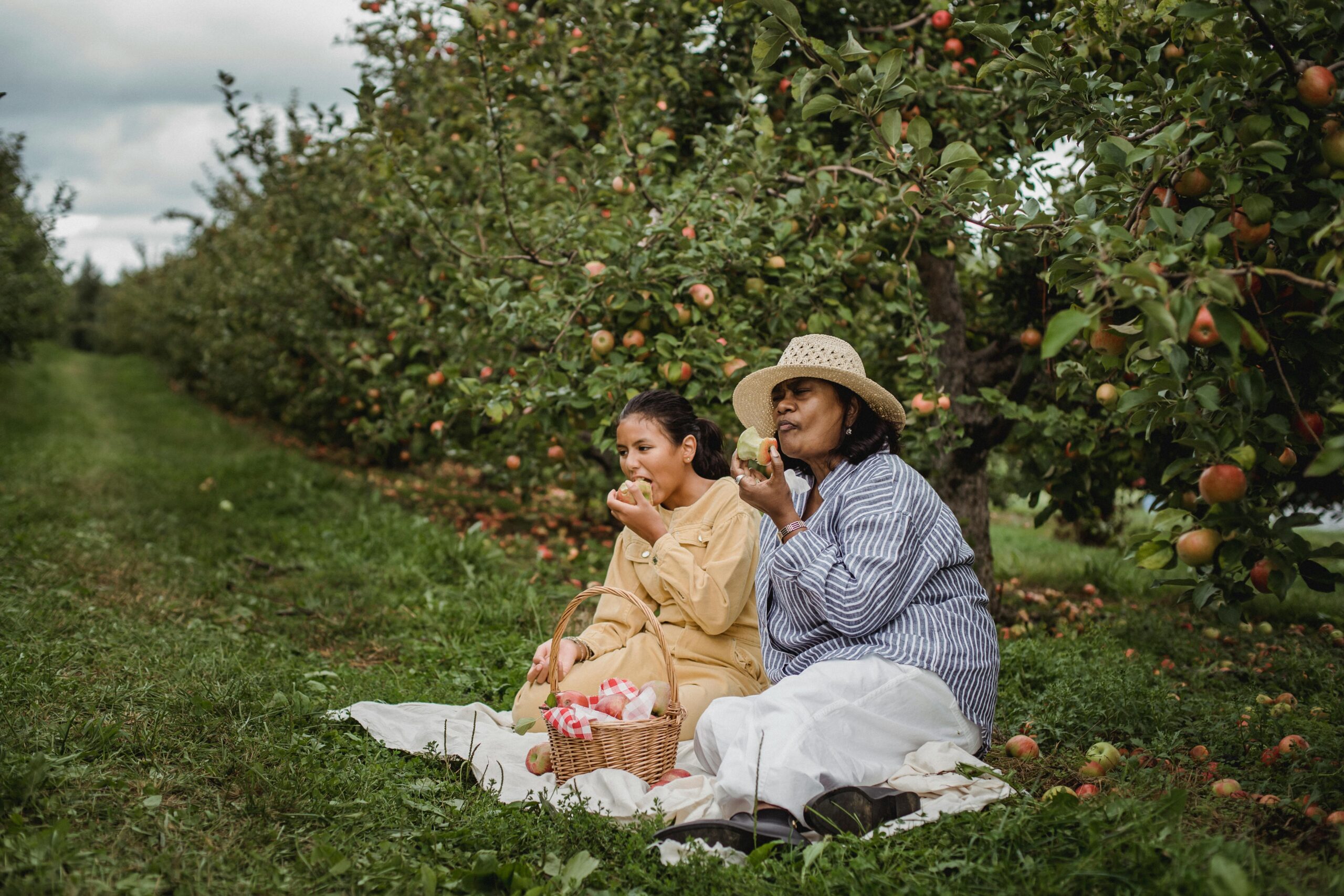
Plant-based medicine is transforming modern healthcare, offering innovative solutions that merge ancient wisdom with cutting-edge science to treat diseases more naturally and effectively.

🌿 The Renaissance of Botanical Medicine in Modern Healthcare
The pharmaceutical industry stands at a fascinating crossroads where traditional herbal remedies meet advanced biotechnology. For centuries, indigenous cultures have relied on plant-based treatments, but today’s scientific community is validating these practices with rigorous research and clinical trials. This convergence has sparked a revolution in how we approach healthcare, prevention, and treatment protocols.
Recent studies published in leading medical journals demonstrate that over 40% of modern pharmaceuticals derive their active compounds from plant sources. From aspirin’s origins in willow bark to the cancer-fighting properties of the Madagascar periwinkle, plants continue to provide invaluable therapeutic compounds that synthetic alternatives struggle to replicate.
The global market for plant-based medicines has exceeded $130 billion annually, reflecting growing consumer demand for natural alternatives and healthcare professionals’ increasing acceptance of phytotherapy as a legitimate treatment modality. This shift represents more than a trend—it signals a fundamental transformation in how we conceptualize medicine and healing.
Breakthrough Discoveries Reshaping Treatment Protocols
Recent breakthroughs in plant-based medicine have captured the attention of researchers worldwide. Scientists at major research institutions have identified novel compounds in previously understudied plants that demonstrate remarkable therapeutic potential for conditions ranging from antibiotic-resistant infections to neurodegenerative diseases.
Cannabis and Cannabinoid Research Revolution 🔬
The legalization movement has catalyzed unprecedented research into cannabis compounds beyond THC and CBD. Researchers have identified over 140 cannabinoids, each with distinct therapeutic properties. Recent clinical trials demonstrate significant efficacy in treating chronic pain, epilepsy, multiple sclerosis, and chemotherapy-induced nausea.
Particularly promising is the research into minor cannabinoids like CBG (cannabigerol) for inflammatory bowel disease and THCV (tetrahydrocannabivarin) for metabolic disorders. These compounds offer targeted therapeutic effects without the psychoactive properties that have historically complicated cannabis medicine acceptance.
Adaptogens: Ancient Herbs Meeting Modern Stress
Adaptogenic plants like ashwagandha, rhodiola, and holy basil have moved from alternative medicine shelves into mainstream clinical practice. These remarkable plants help the body adapt to physical, chemical, and biological stressors by modulating cortisol levels and supporting adrenal function.
Double-blind, placebo-controlled studies now confirm what traditional practitioners have known for millennia: adaptogens significantly reduce stress biomarkers, improve cognitive function, and enhance physical endurance. Modern extraction techniques have made these compounds more bioavailable and effective than ever before.
Technological Innovations Amplifying Plant Medicine Efficacy
The intersection of biotechnology and botanical medicine has produced revolutionary methods for extracting, concentrating, and delivering plant-based therapeutics. These technological advances address historical limitations of herbal medicine, such as inconsistent potency and poor bioavailability.
Nanotechnology and Phytocompound Delivery
Nanotechnology has revolutionized how plant compounds reach target tissues. By encapsulating phytochemicals in nanoparticles, researchers have increased absorption rates by up to 500% in some cases. This technology allows lower doses to achieve therapeutic effects while minimizing side effects.
Liposomal delivery systems, nanoemulsions, and solid lipid nanoparticles now transport curcumin, resveratrol, and other notoriously poorly absorbed compounds directly into cells. This breakthrough makes previously impractical plant medicines viable treatment options for serious conditions.
AI-Powered Drug Discovery from Plant Sources
Artificial intelligence algorithms now screen thousands of plant compounds simultaneously, predicting therapeutic potential before costly laboratory testing. Machine learning models analyze molecular structures, historical use data, and biochemical pathways to identify promising candidates for drug development.
This technology has accelerated the timeline from plant identification to clinical application from decades to mere years. Companies using AI-driven ethnobotanical research have identified potential treatments for antibiotic-resistant bacteria, viral infections, and certain cancers in previously overlooked plant species.
Clinical Applications Gaining Medical Mainstream Acceptance 💊
Healthcare institutions worldwide are integrating plant-based medicines into standard treatment protocols. This integration reflects accumulating clinical evidence supporting efficacy and safety profiles that rival or exceed synthetic alternatives for specific conditions.
Cardiovascular Health and Phytotherapy
Plant-based compounds have demonstrated remarkable cardiovascular benefits. Hawthorn extract, long used in traditional European medicine, now appears in clinical guidelines for mild heart failure in several countries. Studies show it improves exercise tolerance and reduces symptoms with minimal side effects.
Red yeast rice, containing naturally occurring statins, effectively lowers cholesterol levels comparable to low-dose pharmaceutical statins. Garlic extract reduces blood pressure and improves lipid profiles, while hibiscus tea demonstrates significant antihypertensive effects in controlled trials.
Oncology and Plant-Derived Therapeutics
Some of the most powerful cancer treatments originate from plants. Taxol, derived from Pacific yew bark, remains a cornerstone chemotherapy agent for breast, ovarian, and lung cancers. Vincristine and vinblastine from the Madagascar periwinkle treat leukemias and lymphomas with remarkable success rates.
Current research focuses on compounds from plants like graviola, bitter melon, and mistletoe. While definitive conclusions require more study, preliminary research suggests these plants contain compounds that selectively target cancer cells while sparing healthy tissue—a holy grail of oncology research.
Personalized Plant-Based Medicine: The Future is Individual
The one-size-fits-all approach to medicine is giving way to personalized protocols based on genetic profiles, microbiome composition, and individual biochemistry. Plant-based medicine particularly benefits from this approach, as herbal formulations can be customized with unprecedented precision.
Pharmacogenomics and Botanical Selection
Genetic testing now reveals how individuals metabolize specific plant compounds, allowing practitioners to select herbs that work optimally with each person’s unique biochemistry. Some patients rapidly metabolize certain compounds while others process them slowly, dramatically affecting therapeutic outcomes.
This precision approach prevents adverse reactions and maximizes efficacy. For example, individuals with specific CYP enzyme variants respond better to certain adaptogens, while others achieve superior results with different botanical selections.
Microbiome-Targeted Botanical Interventions
Emerging research reveals that many plant medicines exert therapeutic effects through modulating gut microbiome composition. Prebiotics from plants like chicory root and Jerusalem artichoke feed beneficial bacteria, while polyphenols from berries and tea reshape microbial ecosystems.
Personalized protocols now include botanical selections based on microbiome analysis, optimizing gut health to enhance overall wellbeing, immune function, and even mental health through the gut-brain axis.
🌍 Sustainability and Ethical Considerations in Plant Medicine
The surge in demand for plant-based medicines raises critical sustainability questions. Overharvesting threatens numerous medicinal plant species with extinction, while habitat destruction reduces biodiversity that might contain future therapeutic breakthroughs.
Conservation-Focused Cultivation Practices
Forward-thinking companies now prioritize sustainable wildcrafting practices and cultivate previously wild-harvested species. Vertical farming, hydroponics, and controlled environment agriculture produce medicinal plants with consistent potency while protecting wild populations.
Certification programs ensure ethical sourcing, fair compensation for indigenous knowledge holders, and environmental protection. These initiatives balance commercial demands with ecological responsibility and social justice.
Biopiracy Prevention and Indigenous Rights
The pharmaceutical industry’s history includes exploiting indigenous knowledge without compensation or recognition. Modern frameworks like the Nagoya Protocol establish fair benefit-sharing agreements when traditional knowledge contributes to commercial products.
Respect for indigenous intellectual property rights is not merely ethical—it’s essential for continued discoveries. Indigenous communities possess invaluable knowledge about plant applications that scientific research is only beginning to validate and understand.
Regulatory Landscape and Quality Control Challenges 📋
As plant-based medicines gain prominence, regulatory frameworks struggle to keep pace. Unlike pharmaceuticals with standardized active ingredients, botanical medicines contain complex mixtures of compounds that work synergistically.
Standardization and Quality Assurance
Modern analytical techniques like high-performance liquid chromatography (HPLC) and mass spectrometry ensure consistent potency and purity in plant-based products. Reputable manufacturers implement Good Manufacturing Practices (GMP) and third-party testing to verify product quality.
However, the supplement industry remains inconsistently regulated across jurisdictions. Consumers must navigate varying quality standards, making education and transparent labeling critical for safe, effective use of plant medicines.
Integration with Conventional Medical Systems
Healthcare providers increasingly recognize the importance of understanding patients’ use of plant-based medicines. Drug-herb interactions can be significant, and comprehensive care requires awareness of all therapeutic interventions patients employ.
Medical schools are expanding curricula to include botanical medicine education, while continuing education programs help practicing clinicians stay current with phytotherapy research and applications.
The Economic Impact of Plant-Based Medicine Innovation 💰
The plant-based medicine sector represents significant economic opportunity, creating jobs in cultivation, processing, research, and distribution. This industry supports rural agricultural communities while driving innovation in biotechnology and healthcare.
Investment in plant-based medicine research has increased exponentially, with venture capital flowing toward companies developing novel extraction techniques, delivery systems, and evidence-based formulations. This financial support accelerates the pace of discovery and clinical validation.
Health insurance companies are beginning to recognize the cost-effectiveness of certain plant-based interventions, with some policies now covering botanical consultations and specific herbal products when prescribed by qualified practitioners.
Looking Forward: The Next Decade of Plant-Based Innovation 🚀
The trajectory of plant-based medicine points toward deeper integration with conventional healthcare, powered by advancing technology and accumulating clinical evidence. Future innovations will likely include synthetic biology approaches that produce plant compounds without harvesting actual plants, addressing sustainability concerns.
Gene editing technologies may enhance medicinal plants’ therapeutic compound production, creating more potent, standardized botanical medicines. Combined with AI-driven personalization, these advances promise treatments tailored to individual genetic profiles with unprecedented precision.
Climate change presents both challenges and opportunities. While changing weather patterns threaten traditional growing regions, they may also expand cultivation possibilities for certain species. Adaptive strategies will prove essential for maintaining reliable supplies of critical medicinal plants.

Empowering Patients Through Plant-Based Options
Perhaps the most significant impact of the plant-based medicine revolution is patient empowerment. These treatments often involve fewer side effects, lower costs, and greater patient agency in health decisions. When integrated appropriately with conventional care, botanical medicines offer expanded treatment options.
Education remains paramount. Patients must understand that “natural” doesn’t automatically mean “safe” or “effective.” Plant medicines are powerful therapeutic tools requiring the same respect, knowledge, and caution as pharmaceutical drugs.
Healthcare’s future likely involves integrated approaches that leverage both conventional and plant-based medicines’ strengths. This pluralistic model recognizes that different conditions, patients, and circumstances call for different therapeutic strategies.
The revolution in plant-based medicine represents more than new treatments—it embodies a fundamental shift toward holistic, sustainable, and personalized healthcare. As research continues validating traditional wisdom and uncovering new applications, plants will undoubtedly play an increasingly central role in medicine’s future.
From ancient healing traditions to cutting-edge biotechnology, plant-based medicine bridges past and future, offering hope for more effective, accessible, and environmentally sustainable healthcare solutions that benefit individuals and communities worldwide.