
The global food system stands at a crossroads, where innovation meets necessity. Food technology and cellular agriculture are reshaping how we produce, distribute, and consume food in unprecedented ways.

🌱 The Dawn of a New Food Revolution
Our current food production system faces mounting challenges that threaten its sustainability. Climate change, population growth, resource depletion, and ethical concerns have converged to create an urgent need for transformation. Traditional agriculture, while having sustained humanity for millennia, now struggles to meet the demands of a world projected to reach nearly 10 billion people by 2050.
Food technology and cellular agriculture represent more than incremental improvements—they embody a fundamental reimagining of how we create nutrition. These innovations promise to deliver the proteins, fats, and nutrients we need while dramatically reducing environmental impact, eliminating animal suffering, and increasing food security across the globe.
The convergence of biotechnology, data science, artificial intelligence, and agricultural expertise has created fertile ground for breakthrough innovations. Entrepreneurs, scientists, and investors are pouring resources into solutions that seemed like science fiction just a decade ago. Today, lab-grown meat, precision fermentation proteins, and vertical farms are transitioning from experimental concepts to commercial realities.
🔬 Understanding Cellular Agriculture: Growing Food at the Molecular Level
Cellular agriculture represents perhaps the most revolutionary approach to food production in human history. This technology creates animal products—meat, dairy, and eggs—without raising or slaughtering animals. Instead, it cultivates animal cells directly in controlled environments, producing genuine animal protein through biological processes divorced from traditional farming.
The process begins with a small sample of animal cells, obtained harmlessly through biopsy. These cells are then placed in bioreactors—essentially fermentation tanks—where they’re provided with a nutrient-rich medium containing amino acids, sugars, vitamins, and minerals. Under carefully controlled conditions of temperature, pH, and oxygen levels, these cells multiply and differentiate, eventually forming muscle tissue, fat, and other structures identical to those found in conventional meat.
The Two Pathways of Cellular Agriculture
Cellular agriculture encompasses two distinct but complementary approaches. The first, cellular cultivation, grows actual animal cells to create meat, seafood, and other products. Companies like Upside Foods, Mosa Meat, and BlueNalu are pioneering this technology, with several products already receiving regulatory approval in Singapore, the United States, and other forward-thinking jurisdictions.
The second pathway, precision fermentation, programs microorganisms like yeast or bacteria to produce specific proteins, fats, or other molecules. This technique, already used to produce insulin and rennet for cheese-making, is now creating animal-free dairy proteins, egg whites, and collagen. Companies such as Perfect Day, Motif FoodWorks, and Impossible Foods leverage precision fermentation to create products that taste, cook, and provide nutrition identical to their animal-derived counterparts.
📊 The Environmental Imperative Behind Food Innovation
The environmental case for transforming our food system couldn’t be more compelling. Animal agriculture currently occupies approximately 77% of global agricultural land while providing only 18% of calorie supply and 37% of protein supply. This inefficiency comes with devastating consequences for our planet.
Traditional livestock farming generates approximately 14.5% of global greenhouse gas emissions—more than the entire transportation sector combined. Cattle production alone contributes massive amounts of methane, a greenhouse gas 28 times more potent than carbon dioxide over a 100-year timeframe. Additionally, animal agriculture drives deforestation, particularly in biodiversity hotspots like the Amazon rainforest, where vast tracts are cleared for cattle ranching and feed crop cultivation.
Cellular agriculture and advanced food technologies offer dramatic environmental improvements. Studies suggest that cultivated meat could reduce greenhouse gas emissions by up to 96%, land use by 99%, and water consumption by 96% compared to conventional beef production. These aren’t marginal improvements—they represent a complete paradigm shift in the environmental footprint of protein production.
🍔 From Laboratory to Dinner Plate: The Commercialization Journey
The pathway from scientific breakthrough to consumer product involves navigating complex regulatory landscapes, achieving cost parity with conventional products, and winning consumer acceptance. Each of these challenges is being systematically addressed by the rapidly maturing food tech industry.
Regulatory approval represents the first major milestone. Singapore became the first country to approve cultivated meat for sale in 2020, when Eat Just received authorization to sell its cultivated chicken products. The United States followed in 2022 and 2023, with the FDA and USDA granting approvals to Upside Foods and Good Meat. These regulatory victories have established precedents and frameworks that other jurisdictions are now following.
The Economics of Innovation
Cost remains the most significant barrier to widespread adoption. The first cultivated beef burger, produced by Mosa Meat in 2013, cost approximately $330,000. Today, thanks to process improvements, economies of scale, and technological advancement, costs have plummeted dramatically. Industry analysts project that cultivated meat will achieve price parity with premium conventional meat by 2030, with further cost reductions following as production scales.
Investment capital has flooded into the sector, with cellular agriculture companies raising over $5 billion since 2020. This funding supports the construction of large-scale production facilities, refinement of cell culture media formulations, and development of more efficient bioreactor technologies. Major food corporations including Tyson Foods, Cargill, and JBS have made strategic investments, signaling confidence in the sector’s commercial viability.
🌾 Beyond Meat: The Broader Food Tech Landscape
While cellular agriculture captures headlines, the food tech revolution extends far beyond cultivated animal products. Vertical farming, artificial intelligence-driven agriculture, alternative proteins from plants and fungi, and novel ingredient technologies are all contributing to the transformation of our food system.
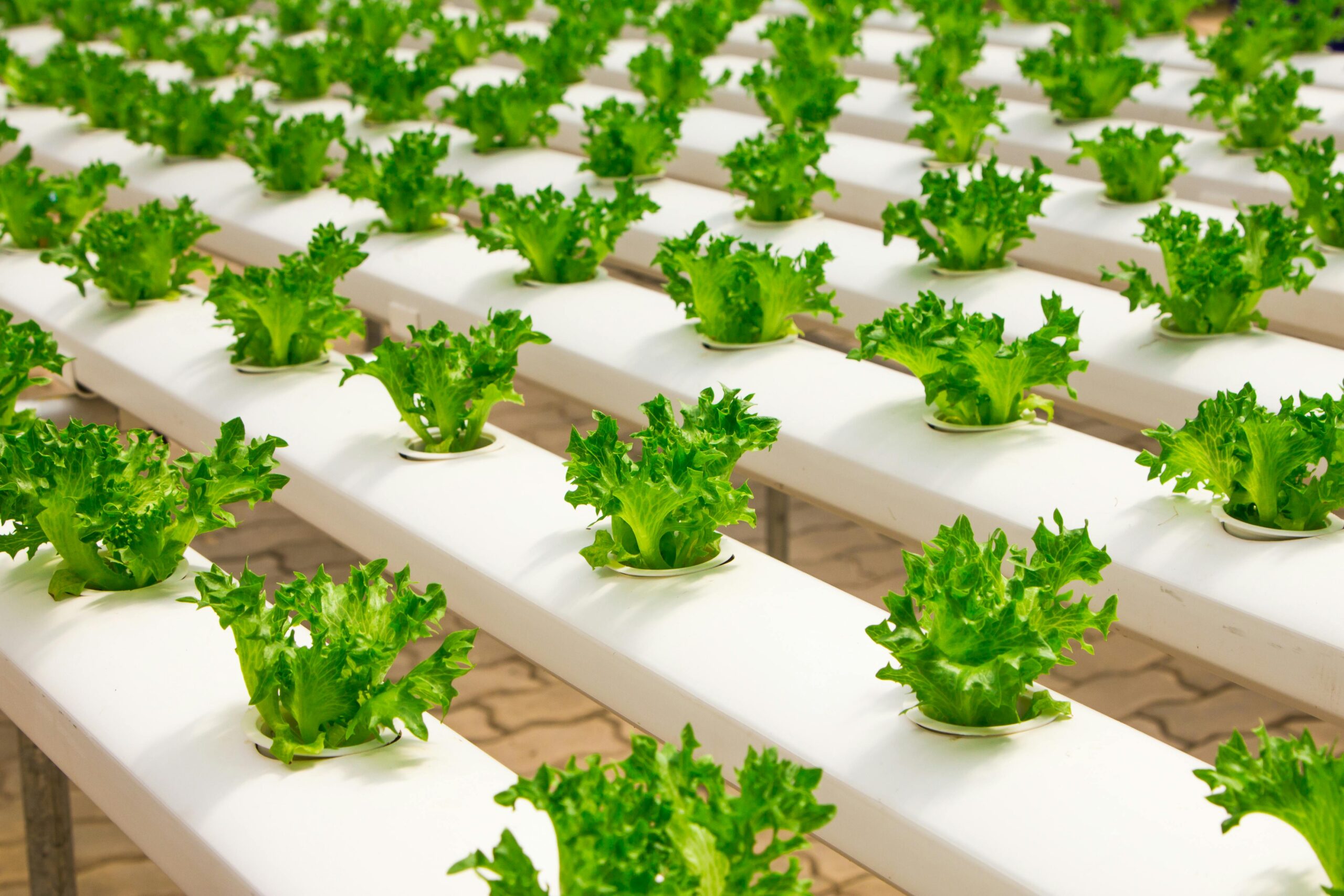
Vertical farms use controlled-environment agriculture to grow produce in stacked layers, often in urban warehouses. These facilities employ LED lighting optimized for photosynthesis, precise nutrient delivery through hydroponics or aeroponics, and AI-powered climate control. Companies like AeroFarms, Plenty, and Bowery Farming are demonstrating that vertical farms can produce yields 100 times greater per square foot than traditional farming while using 95% less water and zero pesticides.
The Fungi and Fermentation Frontier
Mycoprotein, derived from fungi, offers another promising protein source. Fermentation processes cultivate fungi like Fusarium venenatum to create protein-rich biomass with excellent nutritional profiles and meat-like textures. This technology, commercialized successfully by companies like Quorn, is now being refined by startups like Meati Foods and Nature’s Fynd to create whole-cut meat alternatives.
Precision fermentation extends beyond cellular agriculture to produce a vast array of food ingredients. Enzymes that improve bread texture, fats that replicate animal fats’ cooking properties, and flavoring compounds that enhance taste can all be produced through engineered microorganisms. This technology offers a sustainable path to creating the complex ingredient ecosystems that make modern food delicious and functional.
🥛 Dairy Without Cows: Remaking an Ancient Industry
The dairy industry, dating back thousands of years, is experiencing its most profound transformation ever. Precision fermentation has enabled the creation of animal-free milk proteins that are molecularly identical to those from cows, opening possibilities for dairy products without any animal involvement.
Perfect Day pioneered this approach, engineering yeast to produce whey and casein proteins. These proteins can then be combined with plant-based fats, sugars, and minerals to create milk that tastes, bakes, and froths exactly like conventional dairy. The environmental advantages are substantial: approximately 97% less greenhouse gas emissions, 99% less water usage, and 60% less energy consumption compared to conventional dairy production.
This technology enables innovation impossible with traditional dairy. Companies can create lactose-free products that still contain real dairy proteins, customize nutritional profiles for specific dietary needs, or even produce milk proteins from species like camels or water buffalo without requiring herds of these animals. The flexibility and sustainability of this approach could fundamentally reshape the $700 billion global dairy industry.
🍽️ Consumer Acceptance: The Make-or-Break Factor
Technology alone cannot revolutionize the food industry—consumer acceptance remains essential. Public perception of cultivated meat and novel food technologies varies widely across demographics, cultures, and regions. Understanding and addressing consumer concerns represents a critical challenge for the industry.
Research indicates that environmental sustainability and animal welfare concerns drive acceptance among early adopters. However, broader mainstream adoption requires addressing perceptions around safety, “naturalness,” taste, and price. The “yuck factor”—visceral discomfort with the idea of lab-grown food—affects some consumers, though studies show this diminishes significantly when people understand the technology and, especially, when they taste the products.
Building Trust Through Transparency
Successful food tech companies are investing heavily in consumer education and transparency. Open-door policies at production facilities, clear labeling that explains production methods, and partnerships with trusted chefs and food personalities help build credibility. As cultivated and precision fermentation products become more available in restaurants and retail, firsthand experience is converting skeptics into advocates.
Cultural factors play significant roles in acceptance. Some religious authorities have declared cultivated meat acceptable under halal and kosher dietary laws, potentially opening enormous markets. In regions with strong culinary traditions around conventional meat, positioning cultivated products as premium, sustainable options rather than replacements may prove more effective.
🚀 The Role of Artificial Intelligence and Data Science
Artificial intelligence and advanced data analytics are accelerating innovation across the food tech landscape. Machine learning algorithms optimize cell culture conditions, predict flavor profiles, streamline supply chains, and personalize nutrition recommendations.
In cellular agriculture, AI analyzes thousands of variables affecting cell growth rates, differentiation, and final product quality. These systems can identify optimal combinations of nutrients, growth factors, and environmental conditions far faster than traditional experimental approaches. Companies like Mission Barns and Mosa Meat employ AI to reduce development timelines and production costs significantly.
Precision fermentation benefits similarly from AI-driven design. Algorithms can predict which genetic modifications will cause microorganisms to produce desired proteins most efficiently, dramatically reducing the trial-and-error traditionally required for strain development. This computational approach has compressed development timelines from years to months.
🌍 Global Food Security and Access
Beyond environmental and ethical considerations, food technology offers solutions to persistent food security challenges. Cellular agriculture can produce high-quality protein in regions lacking suitable land or climate for animal farming. Precision fermentation facilities can be located anywhere, freeing food production from geographic constraints.
This decentralization could revolutionize food access in developing nations, urban areas, and regions vulnerable to climate change. Countries dependent on food imports could develop domestic protein production capabilities, enhancing food sovereignty and resilience. As production costs decline, these technologies could eventually provide nutritious protein more affordably than conventional agriculture in resource-constrained settings.
Nutritional customization represents another advantage. Cultivated meat can be fortified with additional vitamins, omega-3 fatty acids, or other nutrients during production, addressing specific dietary deficiencies prevalent in certain populations. This capability could combat malnutrition more effectively than conventional food aid or supplementation programs.
💼 Economic Disruption and Job Transformation
The food tech revolution will inevitably disrupt existing industries and employment patterns. While this creates challenges, it also generates opportunities for workforce transition and economic development. Traditional animal agriculture employs millions globally; managing this transition thoughtfully and equitably represents both a moral imperative and practical necessity.
New industries create new employment categories: cell culture technicians, fermentation specialists, food engineers, and bioreactor operators will join the workforce. Many agricultural skills translate well to these emerging fields. Farmers’ understanding of biological systems, for instance, provides valuable foundation for cellular agriculture careers. Forward-thinking regions are investing in training programs to facilitate these transitions.
The economic value creation potential is substantial. The cultivated meat market alone could reach $25 billion by 2030, according to some analysts, with precision fermentation and alternative proteins adding tens of billions more. Countries and regions that foster innovation in these technologies position themselves advantageously in the emerging bioeconomy.
🔮 Looking Ahead: The Next Decade of Innovation
The next ten years will prove decisive for food technology and cellular agriculture. Several trends will likely define this critical period. Production scaling will accelerate as companies transition from pilot facilities to industrial-scale operations. We’ll see increasingly diverse product offerings moving beyond ground meat into whole cuts, marbled steaks, and structured seafood products.
Hybrid products combining cultivated cells with plant-based ingredients may bridge the gap between conventional and fully cultivated products, offering improved sustainability at lower costs. These blended approaches could accelerate consumer acceptance while continuing to deliver environmental benefits.
Regulatory frameworks will mature and harmonize internationally, reducing barriers to global commerce in these products. As more jurisdictions approve cultivated and precision fermentation foods, international standards will emerge, facilitating trade and consumer confidence.
🌟 The Integration of Food Systems: A Holistic Future
The ultimate vision isn’t the complete replacement of traditional agriculture but rather the integration of diverse production methods into a resilient, sustainable, and ethical food system. Conventional farming will likely continue for many applications, particularly for crops where it remains efficient and sustainable. Cellular agriculture and food technology will complement these existing systems, filling gaps and addressing specific sustainability challenges.
This integrated approach leverages the strengths of each production method. Small-scale regenerative agriculture could provide specialty products and maintain rural landscapes and cultures. Vertical farms could supply fresh produce to urban populations with minimal environmental impact. Cellular agriculture could handle the bulk of protein production, eliminating the most environmentally intensive aspects of our current food system.
The transformation of our food system represents one of the defining challenges and opportunities of the 21st century. Food technology and cellular agriculture offer pathways to feed a growing population while respecting planetary boundaries and animal welfare. The innovations emerging today will determine whether we can sustain both human civilization and the natural systems upon which it depends. Through continued investment, thoughtful regulation, consumer education, and technological refinement, the future of food can be both abundant and sustainable—a genuine revolution that nourishes both people and planet.