
The future of food is being rewritten in laboratories around the world, where scientists are creating sustainable, nutritious alternatives that could transform how we eat and nourish our bodies.

🔬 The Dawn of Laboratory-Created Nutrition
Lab-grown foods represent one of the most significant innovations in modern food science. These products, ranging from cultured meat to precision-fermented proteins, are developed through advanced biotechnology processes that replicate the nutritional composition of traditional foods without many of the environmental and ethical concerns associated with conventional agriculture.
The concept might sound futuristic, but lab-grown foods are already making their way to consumer markets. Singapore became the first country to approve the sale of cultured chicken in 2020, marking a pivotal moment in food history. Since then, regulatory bodies worldwide have been evaluating similar products, recognizing their potential to address global food security challenges.
What makes these innovations particularly exciting is their potential to deliver superior nutritional profiles. Scientists can precisely control the composition of lab-grown foods, optimizing them for specific health outcomes. This level of customization was impossible with traditional agriculture, where nutritional content varies based on numerous uncontrollable factors.
Understanding the Science Behind Cellular Agriculture 🧬
Cellular agriculture is the cornerstone technology enabling lab-grown foods. This process involves cultivating animal cells in controlled bioreactor environments, providing them with the nutrients, temperature, and conditions necessary for growth. The result is genuine animal tissue that is molecularly identical to conventionally raised meat, but produced without raising and slaughtering animals.
The process begins with a small sample of animal cells, often obtained through a harmless biopsy. These cells are then placed in a culture medium rich in proteins, sugars, vitamins, and minerals that cells need to multiply. As they grow, the cells naturally form muscle tissue, fat, and other structures that create the texture and flavor of traditional meat.
Beyond cultured meat, precision fermentation represents another revolutionary approach. This technique uses microorganisms like yeast or bacteria, genetically programmed to produce specific proteins, fats, or other nutrients. Companies are already using precision fermentation to create dairy proteins without cows, egg proteins without chickens, and various other ingredients that form the building blocks of our food supply.
The Nutritional Advantages Taking Shape
One of the most compelling aspects of lab-grown foods is the ability to engineer enhanced nutritional profiles. Scientists can increase the concentration of beneficial omega-3 fatty acids in cultured fish, reduce saturated fat content in lab-grown beef, or fortify products with vitamins and minerals that populations commonly lack.
This precision nutrition approach could help address widespread deficiencies affecting billions of people worldwide. Iron-deficiency anemia, vitamin D insufficiency, and inadequate omega-3 intake could all be tackled through strategically designed lab-grown foods that deliver optimal nutrition in every serving.
Environmental Benefits Reshaping Our Planet 🌍
The environmental case for lab-grown foods is compelling and increasingly urgent. Traditional animal agriculture accounts for approximately 14.5% of global greenhouse gas emissions, uses vast quantities of water, and occupies nearly 80% of agricultural land worldwide. Lab-grown alternatives promise to dramatically reduce these impacts.
Studies suggest that cultured meat production could reduce greenhouse gas emissions by up to 96% compared to conventional beef production. Water usage could decrease by 96%, and land use by 99%. These figures represent transformative potential for addressing climate change and preserving natural ecosystems.
The efficiency gains extend beyond resources. Lab-grown foods eliminate the need for antibiotics commonly used in industrial animal farming, reducing the risk of antibiotic-resistant bacteria developing. This alone represents a significant public health benefit that could save countless lives in coming decades.
Sustainable Protein for Growing Populations
With the global population expected to reach nearly 10 billion by 2050, providing sufficient protein through conventional means appears increasingly challenging. Lab-grown foods offer a scalable solution that can meet rising demand without requiring proportional increases in land, water, or other resources.
The production efficiency of cellular agriculture means that a single facility occupying a few acres could produce the same amount of protein as a traditional farm spanning thousands of acres. This concentration of production could free vast tracts of land for reforestation, wildlife habitat restoration, or other conservation purposes.
Addressing Ethical Considerations in Food Production 🐄
The ethical implications of lab-grown foods extend far beyond animal welfare, though that remains a primary consideration. By eliminating the need to raise and slaughter billions of animals annually, cultured meat and other lab-grown animal products could fundamentally transform humanity’s relationship with other sentient beings.
For many consumers, the knowledge that their meal didn’t require animal suffering adds significant value. This ethical premium is driving investment and consumer interest in lab-grown alternatives, particularly among younger demographics who increasingly prioritize sustainability and animal welfare in purchasing decisions.
Additionally, lab-grown foods address food safety concerns inherent in conventional animal agriculture. By producing meat in sterile, controlled environments, manufacturers can virtually eliminate risks of bacterial contamination like salmonella or E. coli that frequently plague traditional meat products.
The Taste Test: Flavor and Texture Innovation 👨🍳
Early skepticism about lab-grown foods often centered on taste and texture. Could laboratory-produced meat really match the sensory experience of a premium steak or perfectly grilled chicken? The answer increasingly appears to be yes, with continuous improvements in production techniques.
Companies developing cultured meat have invested heavily in perfecting not just the nutritional composition but the entire eating experience. This includes replicating the marbling of fat through muscle tissue, developing appropriate texture through scaffolding techniques, and ensuring proper browning and flavor development during cooking.
Consumer taste tests have yielded promising results, with many participants unable to distinguish between high-quality cultured meat and conventional products. As production scales and techniques mature, these products will likely achieve complete sensory parity with traditional options, removing a significant barrier to widespread adoption.
Customization Beyond What Nature Provides
Lab-grown foods open possibilities for flavor and texture combinations impossible through conventional breeding or farming. Imagine beef with the heart-healthy fat profile of salmon, or chicken enriched with the complete amino acid profile of quinoa. These hybrid nutritional profiles could deliver superior health outcomes while maintaining the familiar tastes consumers love.
Economic Implications and Market Transformation 💰
The cultured food industry is attracting substantial investment, with billions of dollars flowing into startups and research facilities worldwide. This capital influx is accelerating technological development and driving down production costs, which remain the primary barrier to mass-market adoption.
Currently, lab-grown meat costs significantly more than conventional meat, but projections suggest price parity could be achieved within the next decade as production scales and techniques improve. Some analysts predict that cultured meat could actually become cheaper than traditional meat in the long term, given lower resource requirements and production efficiencies.
The emergence of lab-grown foods will create new industries and employment opportunities while disrupting existing agricultural economies. Countries and regions that invest early in cellular agriculture infrastructure and expertise may gain significant economic advantages in the global food market of tomorrow.
Regulatory Landscape and Consumer Acceptance 📋
Regulatory approval represents a critical milestone for lab-grown foods entering mainstream markets. Different countries are taking varied approaches, with some like Singapore moving quickly to approve products, while others maintain more cautious, deliberative processes.
The United States FDA and USDA have established a joint framework for regulating cultured meat, with the FDA overseeing cell collection and growth phases, and USDA handling production and labeling. This collaborative approach aims to ensure safety while enabling innovation.
Consumer acceptance is equally crucial. Education about the science, benefits, and safety of lab-grown foods will be essential for overcoming initial hesitation. Early adopters tend to be younger, urban, and motivated by environmental or ethical concerns, but broader acceptance will require building trust through transparency, consistent quality, and positive experiences.
The Labeling Debate
How lab-grown foods should be labeled remains contentious. Traditional meat industry representatives argue that terms like “meat” should be reserved for animal-raised products, while cultured meat producers contend their products are genuine meat at the cellular level. This debate will shape consumer perceptions and market positioning in coming years.
Nutritional Opportunities for Special Populations 🏥
Lab-grown foods present unique opportunities for addressing the nutritional needs of specific populations. People with food allergies could benefit from allergen-free versions of traditionally problematic foods. Those with dietary restrictions based on religious or cultural practices might find acceptable alternatives that meet their nutritional needs while respecting their values.
Athletes and fitness enthusiasts could access products optimized for performance and recovery, with ideal ratios of proteins, amino acids, and other nutrients. Elderly populations might benefit from easily digestible, nutrient-dense options that support healthy aging.
Medical applications represent another frontier. Imagine foods specifically designed to support recovery from illness, manage chronic conditions, or deliver therapeutic compounds alongside everyday nutrition. The precision control offered by lab-grown foods makes such applications increasingly feasible.
Challenges on the Path Forward ⚠️
Despite tremendous promise, lab-grown foods face significant challenges that must be addressed for the industry to reach its full potential. Scaling production from pilot facilities to industrial operations requires substantial infrastructure investment and technological refinement.
The energy requirements for maintaining bioreactors and controlled environments currently represent a consideration for the overall environmental footprint. However, as renewable energy becomes more prevalent and production techniques more efficient, this concern should diminish.
Public perception and acceptance remain variable. Some consumers embrace lab-grown foods enthusiastically, while others feel uncomfortable with the concept. Building widespread acceptance will require ongoing education, transparency, and demonstrated benefits that resonate with diverse consumer values.
The Global Food System Transformation Ahead 🌏
Lab-grown foods will not completely replace traditional agriculture overnight, nor should they necessarily aim to do so. Instead, they will likely become an increasingly important component of a diverse, resilient food system that includes conventional farming, organic agriculture, and cellular agriculture working in complementary ways.
Developing nations could potentially leapfrog traditional agricultural infrastructure challenges by investing in cellular agriculture facilities, much as many skipped landline telephone networks in favor of mobile technology. This could provide food security and economic development opportunities while avoiding the environmental costs of industrial agriculture.
The integration of lab-grown foods into global supply chains will require new infrastructure, logistics systems, and regulatory frameworks. International cooperation and knowledge sharing will be essential for ensuring these benefits reach populations most in need of improved nutrition and food security.
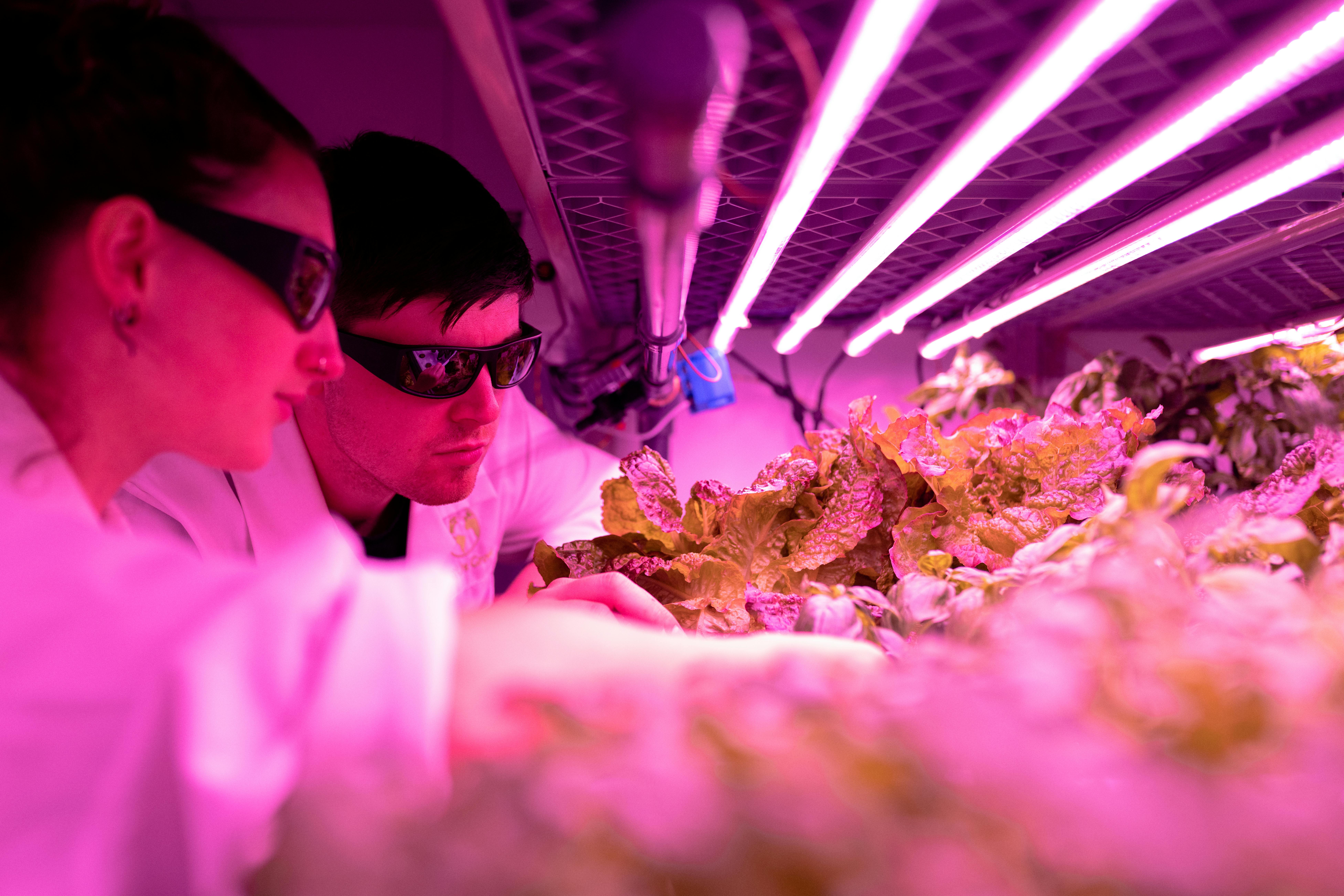
Empowering Healthier Choices for Tomorrow’s Consumers 🚀
As lab-grown foods become more accessible and affordable, consumers will gain unprecedented control over their nutritional intake. Smartphone apps could eventually help people select lab-grown products optimized for their specific health goals, genetic profiles, or dietary requirements, creating truly personalized nutrition at scale.
This revolution in nutrition extends beyond what we eat to how we think about food production, sustainability, and our relationship with the natural world. Lab-grown foods represent not just technological innovation but a fundamental reimagining of how humanity nourishes itself while respecting planetary boundaries.
The future of food is being cultivated in laboratories today, promising a tomorrow where nutritious, sustainable, and ethical food is available to everyone. While challenges remain, the trajectory is clear: lab-grown foods will play an increasingly central role in creating healthier populations and a healthier planet. This transformation has already begun, and its full impact will unfold across the coming decades, reshaping one of humanity’s most fundamental relationships—the one we have with our food.
The journey toward widespread adoption of lab-grown foods will require collaboration among scientists, entrepreneurs, policymakers, and consumers. Together, these stakeholders are building a food system that nourishes both people and planet, ensuring that future generations inherit a world where no one goes hungry and where food production works in harmony with nature rather than against it.