Exploring plant-based protein sources opens a world of nutritious, sustainable, and delicious options that can transform your meals while supporting your health goals.

🌱 The Protein Revolution: Why Nature’s Alternatives Matter
The landscape of nutrition is shifting dramatically as more people discover that exceptional protein sources extend far beyond traditional animal products. Whether you’re a committed vegetarian, a flexitarian exploring new options, or simply someone looking to diversify your diet, the realm of plant-based proteins offers incredible variety and nutritional benefits that deserve your attention.
Modern research consistently demonstrates that incorporating diverse protein sources into your diet contributes to better cardiovascular health, improved digestion, and a reduced environmental footprint. The beauty of nature’s protein alternatives lies not just in their nutritional profile, but in their versatility, affordability, and the creative culinary possibilities they unlock.
Understanding protein alternatives means recognizing that complete nutrition doesn’t require compromising on taste, texture, or satisfaction. From ancient grains that sustained civilizations to innovative modern preparations, these options have nourished humans throughout history and continue to evolve with contemporary culinary techniques.
Legumes: The Powerhouse Protein Family 💪
Legumes represent one of nature’s most impressive protein packages, combining substantial protein content with fiber, vitamins, and minerals. This family includes beans, lentils, chickpeas, and peas—each bringing unique flavors and textures to your culinary repertoire.
Lentils: The Quick-Cooking Champion
Lentils stand out among legumes for their convenience and nutritional density. A single cup of cooked lentils delivers approximately 18 grams of protein alongside substantial amounts of iron, folate, and fiber. Unlike many beans, lentils require no pre-soaking and cook in just 20-30 minutes, making them perfect for weeknight meals.
Red lentils break down beautifully into creamy dahls and soups, while green and brown varieties maintain their shape for salads and grain bowls. Black beluga lentils offer an elegant appearance that elevates any dish, and their earthy flavor pairs wonderfully with roasted vegetables and aromatic herbs.
Chickpeas: Versatility Personified
Chickpeas, also known as garbanzo beans, provide roughly 15 grams of protein per cooked cup while offering remarkable culinary flexibility. They’re the foundation of hummus, the star of countless curries, and when roasted with spices, transform into an addictive crunchy snack that satisfies both nutritional needs and cravings.
The liquid from canned chickpeas, called aquafaba, has revolutionized vegan baking by mimicking egg whites in everything from meringues to mayonnaise. This discovery has opened new possibilities for plant-based cooking that seemed impossible just years ago.
Black Beans and Beyond
Black beans bring approximately 15 grams of protein per cup along with anthocyanins—powerful antioxidants that give them their distinctive color. They’re naturals in Latin American cuisine but work equally well in burgers, brownies (yes, really!), and breakfast scrambles.
Kidney beans, navy beans, pinto beans—each variety offers slightly different nutritional profiles and culinary characteristics. Experimenting with different types prevents dietary monotony while ensuring you benefit from the unique nutrients each provides.
🥜 Nuts and Seeds: Compact Nutritional Dynamite
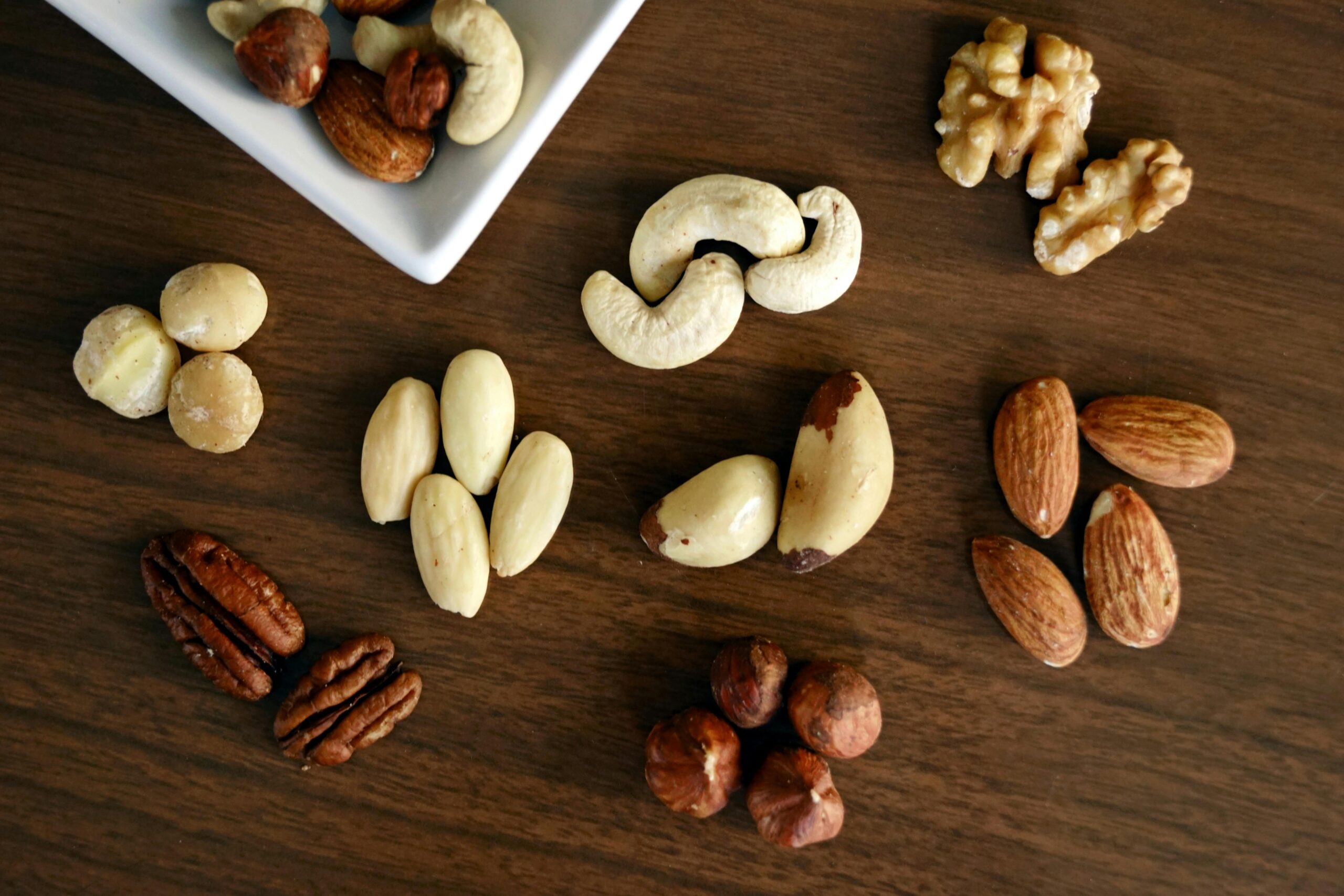
Nuts and seeds pack impressive protein alongside healthy fats, making them satisfying additions to any meal or snack. Their convenience and shelf stability make them pantry essentials for anyone seeking plant-based protein sources.
Almonds and Almond Products
Almonds provide about 6 grams of protein per ounce while delivering vitamin E, magnesium, and heart-healthy monounsaturated fats. Almond butter offers a creamy, versatile spread that works in both sweet and savory applications, from smoothies to satay sauces.
Almond milk has become a mainstream dairy alternative, though it’s worth noting that most commercial versions contain significantly less protein than whole almonds. For protein purposes, whole almonds or almond butter remain superior choices.
Hemp Seeds: The Complete Protein
Hemp seeds deserve special recognition as one of the few plant foods containing all nine essential amino acids in optimal ratios. Three tablespoons provide roughly 10 grams of protein along with omega-3 and omega-6 fatty acids in ideal proportions.
Their mild, nutty flavor doesn’t overpower dishes, making hemp seeds easy to sprinkle on virtually anything—yogurt, salads, oatmeal, or blended into smoothies. They require no preparation and need no cooking, offering ultimate convenience for nutrition-conscious eaters.
Pumpkin Seeds and Sunflower Seeds
Pumpkin seeds (pepitas) deliver about 7 grams of protein per ounce alongside zinc, magnesium, and iron. They add delightful crunch to salads and can be ground into nutrient-dense pestos or seed butters.
Sunflower seeds provide similar protein levels and offer an economical option for those with tree nut allergies. Sunflower seed butter creates an excellent alternative to peanut or almond butter in schools and other allergen-conscious environments.
Ancient Grains and Pseudo-Grains: Protein with Heritage 🌾
While most grains are primarily carbohydrate sources, several ancient varieties offer impressive protein content that makes them valuable components of plant-based diets.
Quinoa: The Mother Grain
Quinoa technically isn’t a grain but rather a seed, though it’s prepared and eaten like one. This distinction matters nutritionally because quinoa contains all essential amino acids, making it a complete protein—rare among plant foods. One cup of cooked quinoa provides about 8 grams of protein.
Red, white, and black quinoa varieties offer slightly different textures and nutty flavors. Quinoa serves equally well as a breakfast porridge, lunch salad base, or dinner side dish. Its fluffy texture and ability to absorb flavors make it endlessly adaptable.
Amaranth and Teff
Amaranth was sacred to the Aztecs and remains nutritionally impressive today, offering about 9 grams of protein per cooked cup. It cooks into a porridge-like consistency perfect for breakfast bowls or can be popped like miniature popcorn for a crunchy topping.
Teff, the tiny grain central to Ethiopian cuisine, provides approximately 10 grams of protein per cooked cup while delivering substantial iron and calcium. Its naturally sweet, molasses-like flavor works beautifully in both traditional injera flatbread and modern porridge preparations.
Farro and Kamut
These ancient wheat varieties offer more protein than modern wheat strains—around 8 grams per cooked cup—along with a pleasantly chewy texture that adds substance to salads and soups. Both contain gluten, so they’re unsuitable for those with celiac disease, but for others they provide nutritious alternatives to rice or pasta.
🌿 Green Protein Sources: Vegetables That Pack a Punch
While vegetables aren’t typically considered primary protein sources, several varieties contribute meaningful amounts, especially when consumed regularly and in adequate quantities.
Spirulina and Chlorella
These blue-green algae are among the most protein-dense foods on Earth. Spirulina contains about 4 grams of protein per tablespoon—an extraordinary concentration. Both also provide vitamin B12 in forms that may be bioavailable to humans, though research continues regarding absorption rates.
Their intense flavors work best when blended into smoothies with fruits and other ingredients that balance their earthy taste. Start with small amounts and gradually increase as your palate adjusts.
Edamame and Green Peas
Edamame—young soybeans—provide about 17 grams of protein per cup while offering a fun, interactive eating experience when served in pods. They’re perfect as snacks, salad additions, or stirred into grain dishes.
Green peas surprise many people with their protein content—roughly 8 grams per cup. Fresh or frozen peas brighten dishes while contributing meaningful nutrition. Pea protein powder, extracted and concentrated, has become a popular supplement for athletes and fitness enthusiasts.
Broccoli and Brussels Sprouts
While not protein powerhouses, these cruciferous vegetables offer about 4 grams of protein per cup along with impressive amounts of vitamins C and K, fiber, and cancer-fighting compounds. When consumed as part of a varied diet, they contribute to overall protein intake while delivering exceptional nutritional value.
Soy: The Controversial Champion 🥢
Soy deserves its own category as one of the most complete and versatile plant proteins available, though it also generates considerable debate in nutrition circles.
Tofu: The Blank Canvas
Tofu provides about 10 grams of protein per half-cup serving while offering remarkable culinary adaptability. Silken tofu blends into creamy sauces and desserts, while firm and extra-firm varieties can be grilled, baked, scrambled, or stir-fried.
The key to delicious tofu lies in proper preparation—pressing out excess water, marinating for flavor absorption, and using high-heat cooking methods to achieve appealing textures. When prepared thoughtfully, tofu absorbs the flavors around it while providing satisfying substance.
Tempeh: The Fermented Alternative
Tempeh, made from fermented soybeans, offers a firmer texture and nuttier flavor than tofu along with approximately 15 grams of protein per half-cup. The fermentation process increases digestibility and creates beneficial probiotics that support gut health.
Its substantial texture makes tempeh excellent for grilling, and it maintains its structure in stir-fries and stews. Steaming tempeh briefly before using it in recipes can reduce any bitterness and improve its ability to absorb marinades.
Addressing Soy Concerns
Soy contains phytoestrogens, plant compounds with weak estrogen-like effects that have raised concerns about hormonal impacts. However, extensive research indicates that moderate soy consumption (1-2 servings daily) is safe for most people and may even offer protective benefits against certain cancers and heart disease.
Those with thyroid conditions should consult healthcare providers about soy intake, and opting for whole soy foods (tofu, tempeh, edamame) rather than highly processed soy products represents the healthiest approach.
💡 Creative Combinations: Complementary Proteins
While the concept of “protein combining” at every meal has been largely debunked—your body can assemble complete proteins from amino acids consumed throughout the day—understanding complementary proteins helps optimize plant-based nutrition.
Classic Pairings That Work
Certain food combinations naturally create complete protein profiles. Rice and beans, hummus and whole wheat pita, peanut butter on whole grain bread—these traditional pairings exist across cultures because they work nutritionally and taste delicious.
Grains typically lack lysine but contain methionine, while legumes offer abundant lysine but less methionine. Together, they provide all essential amino acids in adequate amounts. This principle allows for creative meal planning that’s both nutritious and satisfying.
Building Balanced Bowls
The modern grain bowl concept capitalizes on complementary proteins while offering visual appeal and customization. Start with a base of quinoa or brown rice, add beans or lentils, incorporate vegetables including leafy greens, top with seeds or nuts, and finish with a flavorful tahini or nut-based dressing.
These bowls provide complete nutrition in a single dish while allowing endless variation based on seasonal ingredients, personal preferences, and available pantry items. They’re equally suited to meal prep, quick lunches, or impressive dinner presentations.
🍽️ Practical Integration: Making the Switch Sustainable
Transitioning toward more plant-based proteins works best as a gradual process rather than an overnight overhaul. This approach allows your palate to adjust, your cooking skills to develop, and your body to adapt to different fiber levels.
Start with Familiar Favorites
Begin by substituting plant proteins into dishes you already enjoy. Replace half the ground meat in tacos with black beans or lentils. Add chickpeas to pasta dishes. Use nut butters in your usual sandwich routine. These small changes build confidence while reducing the intimidation factor of completely new recipes.
Many people find success with “Meatless Monday” or similar approaches that designate specific days for plant-based eating. This creates structure without feeling overly restrictive, allowing you to experiment while maintaining flexibility.
Stock Your Pantry Strategically
Having plant proteins readily available makes choosing them effortless. Keep canned beans, lentils, and chickpeas on hand for quick meals. Store nuts and seeds in the refrigerator or freezer to maintain freshness. Maintain a selection of whole grains and experiment with less common varieties to prevent boredom.
Frozen edamame, peas, and pre-cooked grains offer convenience for busy days when cooking from scratch isn’t realistic. There’s no shame in using convenience products—they support consistent healthy eating better than abandoned good intentions.
Develop Your Flavor Arsenal
Plant proteins often have milder flavors than meat, which means they rely heavily on seasoning and cooking techniques. Build a spice collection that includes cumin, smoked paprika, turmeric, curry powder, and nutritional yeast. Keep fresh herbs, garlic, ginger, and citrus on hand to brighten dishes.
Learning to build layers of flavor through roasting, sautéing aromatics, using umami-rich ingredients like miso and tamari, and balancing tastes transforms simple ingredients into crave-worthy meals that satisfy completely.
🌍 Environmental and Economic Advantages
Beyond personal health, choosing plant proteins offers compelling environmental and economic benefits that extend impact beyond individual plates.
Sustainability Considerations
Producing plant proteins generally requires significantly less water, land, and energy compared to animal proteins while generating fewer greenhouse gas emissions. Legumes actually improve soil health by fixing nitrogen, reducing the need for synthetic fertilizers.
These environmental advantages don’t require perfection or purity—even partially shifting toward more plant-based proteins creates positive impacts. Every meatless meal contributes to a more sustainable food system.
Budget-Friendly Nutrition
Plant proteins typically cost considerably less than meat, poultry, or fish. Dried beans and lentils rank among the most economical protein sources available, and even pricier options like nuts and specialty grains generally cost less per serving than animal proteins.
This affordability makes nutritious eating more accessible while potentially freeing budget for other priorities. The money saved by choosing plant proteins can be redirected toward organic produce, higher-quality whole grains, or other health-supporting purchases.
🎯 Optimizing Absorption and Bioavailability
Getting protein into your body represents only part of the equation—ensuring your body can effectively use that protein matters equally.
Preparation Techniques That Help
Soaking, sprouting, and fermenting legumes and grains reduces anti-nutrients like phytic acid that can interfere with mineral absorption. These traditional preparation methods, used by cultures worldwide, improve digestibility and nutrient availability.
Cooking itself improves protein digestibility in most plant foods. While raw food diets have their proponents, most plant proteins become more bioavailable when properly cooked. This doesn’t mean overcooking—steaming until tender generally optimizes both nutrition and taste.
Strategic Nutrient Pairing
Combining vitamin C-rich foods with iron-containing plant proteins significantly increases iron absorption. Adding tomatoes, bell peppers, or citrus to bean dishes, lentil salads, or grain bowls isn’t just about flavor—it’s strategic nutrition.
Healthy fats improve absorption of fat-soluble vitamins present in plant proteins. Drizzling olive oil on salads, adding avocado to bowls, or including nuts in meals serves practical nutritional purposes beyond taste enhancement.
✨ Embracing the Journey Toward Plant-Powered Eating
Discovering nature’s protein alternatives represents an ongoing adventure rather than a destination. Each new ingredient tried, recipe mastered, and meal enjoyed expands your culinary repertoire while supporting your health, budget, and environmental values.
The abundance of plant-based proteins available today offers unprecedented opportunity to create varied, delicious, and nutritious meals that satisfy completely. From ancient grains that sustained civilizations to modern preparations that push culinary boundaries, these options prove that powerful nutrition and exceptional taste naturally coexist.
Start wherever feels comfortable—perhaps by adding chickpeas to your next salad or trying quinoa instead of rice. Experiment with one new plant protein each week. Follow your curiosity toward ingredients that intrigue you, and don’t worry about perfection. Every plant-based meal contributes to better health outcomes and a more sustainable future.
The protein alternatives straight from nature’s bounty await your discovery. They’re sitting in bulk bins at grocery stores, featured in innovative restaurant menus, and growing in gardens worldwide. These foods have nourished humans throughout history and stand ready to power your plate with delicious, sustainable nutrition that benefits both body and planet.
Your journey toward incorporating more plant proteins is uniquely yours—embrace it with curiosity, patience, and the understanding that small, consistent changes create lasting transformation. The delicious possibilities are truly endless, and the benefits extend far beyond your plate into a healthier, more vibrant life supported by the incredible abundance that nature provides.